“Knockio CRM is now LIVE”. LEARN MORE

Door-to-door sales are not dead; they just have a bad rap. We have seen a lot of companies that experiment with canvassing once and don’t see success, walk away from it. But most of the time, the problem lies with the management and not the market. Most campaigns don’t die because customers are mean; they die because the reps are wandering aimlessly without a compass.

If you want steady, predictable results from field sales, you need more than pep talks. That means you need a clear structure, strong leadership, reliable systems, real accountability, and practical training that actually prepares your team for the field.

Without all that, your reps are just knocking on doors. With all these things, they are running like a well-oiled sales machine.

Discover How Knockio Enhances Your Sales Strategys.

Understanding the Foundation of a Canvassing Team

Before you can manage a canvassing team well, you need to understand what they actually do.

What Does a Canvassing Team Do?

These reps are your front-line warriors. They are not just knocking, but in fact they introduce your product or service, qualify leads, set appointments, and sometimes even close deals right there on the spot.

But there’s more to it than knocking on doors. They also gather local insights, read buying signals, test scripts, adjust their approach, and handle rejection, and that too, repeatedly.

The whole thing is physically demanding and mentally intense, which is why strong management matters. Even great sales reps can lose focus if they don’t have clear direction and support

Is Canvassing Effective in Modern Sales?

Canvassing can only work today if it’s managed properly. You have to build a real human connection with your customers. They might ignore ads, delete emails, and block calls, but if you are a confident, respectful person at the door, it will feel different to the customer.

That said, if you want to be successful at door-to-door, then you have to do it right. You have to target the right areas,  train reps well, track performance daily, coach consistently, and keep morale high. By doing all this, canvassing can help you generate better leads, faster closes, stronger local brand presence, and often a lower cost than paid ads. 

This is why it’s safe to say that in the end, management is what makes the difference.

How Does Canvassing Work in a Structured Sales System?

If you want to manage a canvassing team well, you need to understand how the system actually works behind the scenes.

Territory Planning

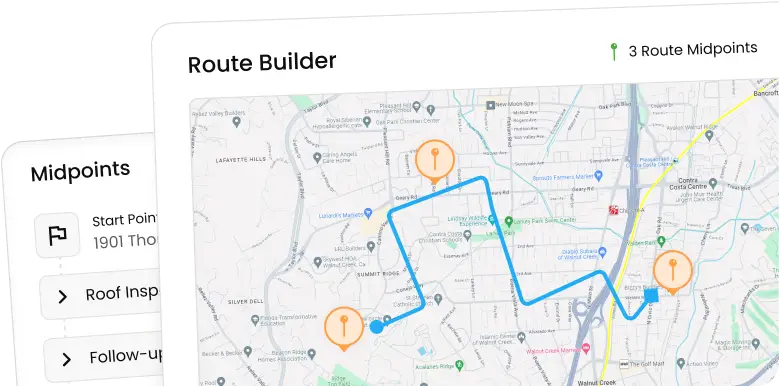
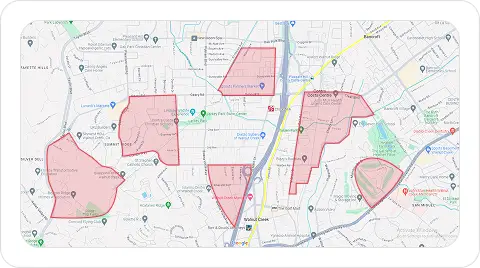
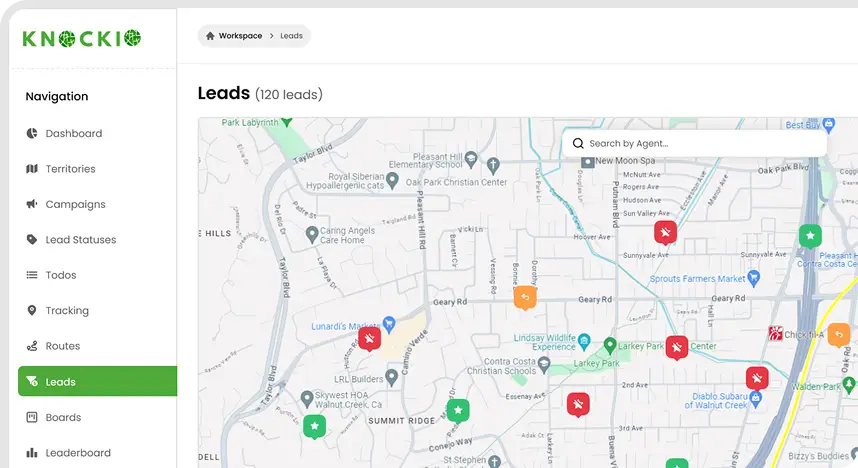
If you send your reps into random neighborhoods, you’re essentially asking them to find a needle in a haystack, and that, too, blindfolded. This is why you should use mapping tools to look at the actual data, like income levels, who owns vs. rents, and where your competitors are already digging.

When a rep pulls up to a curb and knows exactly why that street was picked for them, their whole vibe changes. They knock on the door with conviction because they know they are in the right place.

Script and Messaging

A strong canvassing team shouldn’t just make everything up on the spot, but they also shouldn’t sound like they’re reading from a teleprompter. When you provide a solid structure that covers the opening hook, the problem, the value, objection handling, and the final ask, everything works out great. But one thing you have to keep in mind is that your delivery has to stay human. 

The best managers don’t just tell reps what to say; they teach them the psychology behind why it works. This makes the reps stop reciting lines and start speaking with genuine conviction. And that’s when conversations start turning into real opportunities.

Lead Qualification

The truth is, not every door is going to be a real opportunity, and one of the most important skills your team can learn is how to walk away. When your team asks simple, focused questions like whether they’re the homeowner, if they’ve thought about upgrading recently, or if they’re working with another provider, you can figure out which prospects are worth pursuing.

One of my teams had a habit of spending 20 minutes on every door. After retraining them to qualify early, they doubled the number of leads in the same timeframe without increasing effort.

Data Capture and Reporting

This is usually where teams fall apart. Even if reps are out there collecting leads, if the information isn’t tracked properly, you can lose opportunities fast. This means that you miss the follow-ups, accountability fades, and you lose results. 

A well-run canvassing system keeps daily tabs on everything. It keeps track of everything from the initial knock and the first conversation to qualifying the lead, setting the appointment, and finally closing the deal. When managers track these numbers without fail, you will see that performance becomes predictable. More importantly, it becomes easier to find out where you need to fix things.

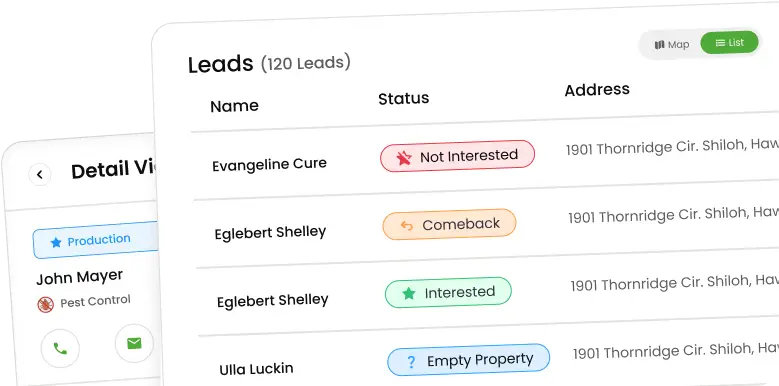
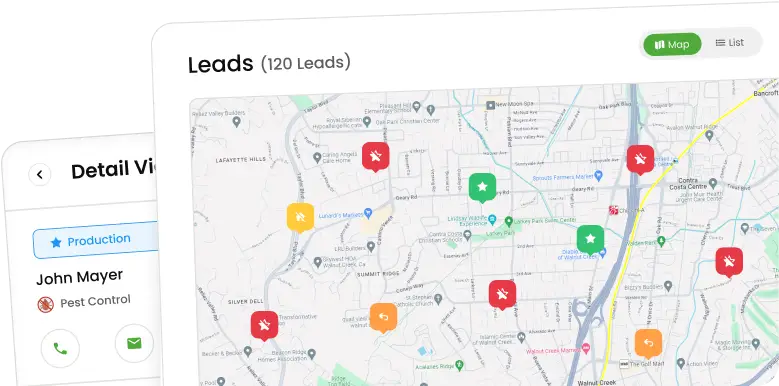
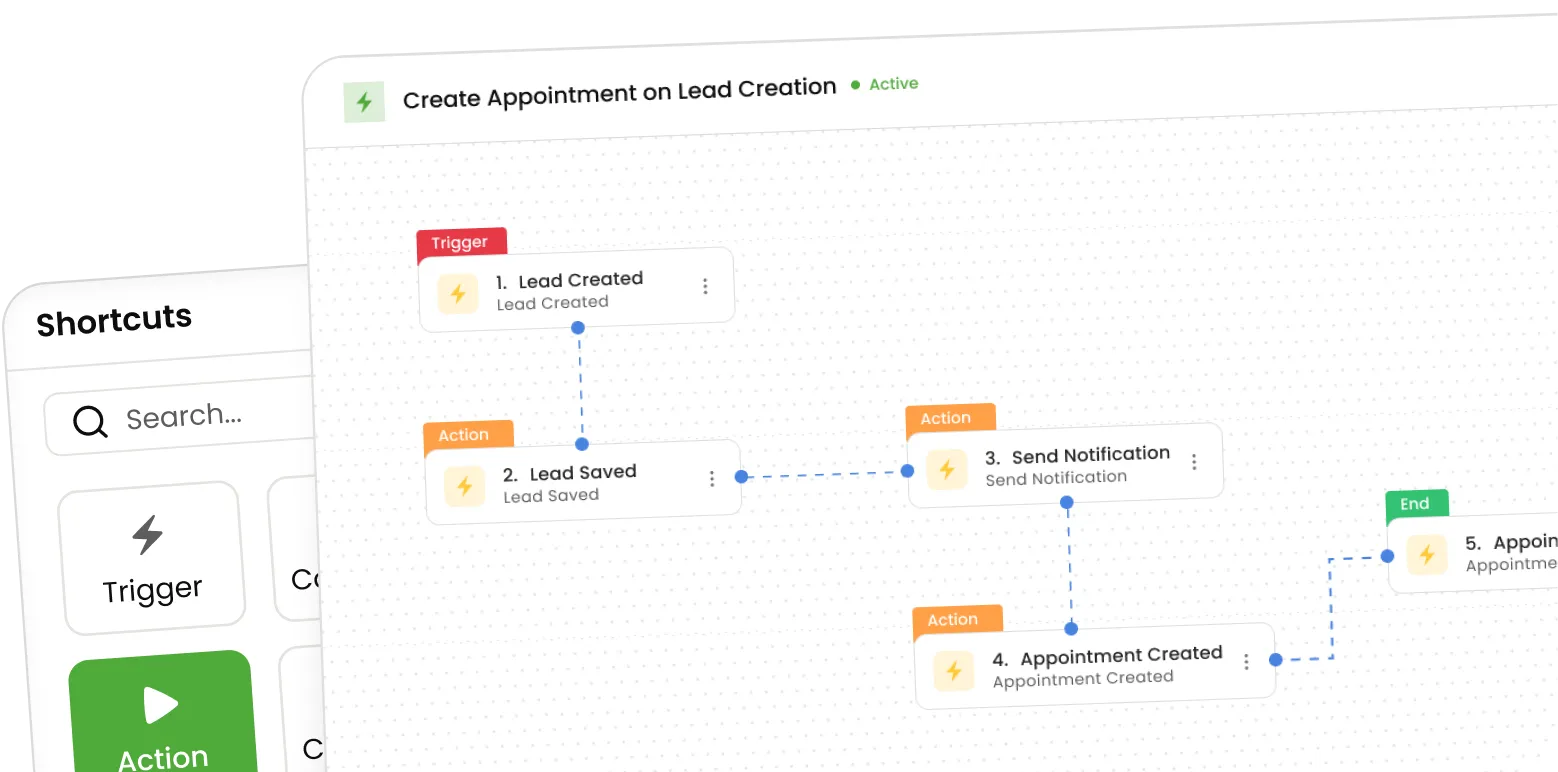
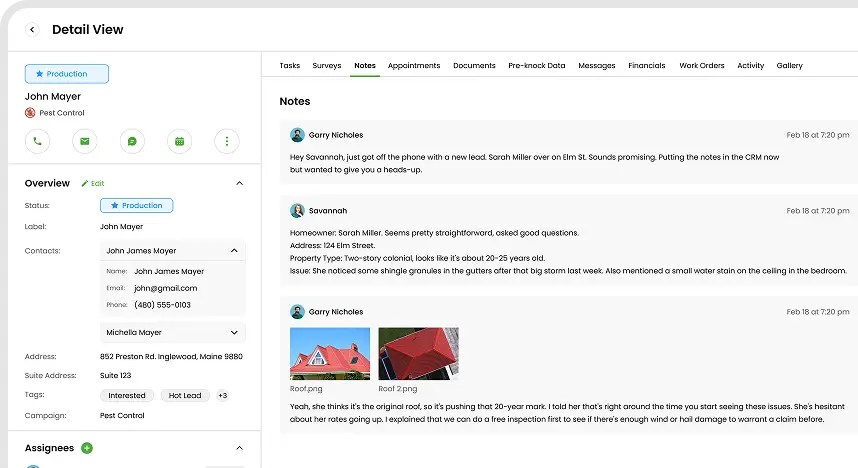
You can’t just rely on notebooks or good memory. That’s a recipe for disaster. So, by using a real-time system like Knockio, you get instant visibility into what’s actually happening out there. Instead of waiting until Friday to realize things went sideways, you can spot performance patterns the same afternoon. That kind of immediate feedback turns expensive mistakes into quick fixes.

Building the Right Team Structure

You can’t just rely on pep talks alone when you want to build a canvassing team. You also have to have the right structure in place. 

Define Clear Roles

Every team has clearly defined roles. You have the team leader who focuses on coaching and accountability, senior reps who handle tricky objections, junior reps who focus on learning and hitting volume, and others who may set appointments or close deals. When everyone knows their role, confusion disappears, and the team moves faster.

Set Daily and Weekly Targets

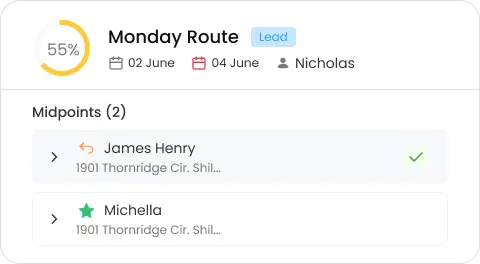
Targets aren’t just about revenue; they are about the actions that lead there. For example: knocking on 80 doors, having 25 meaningful conversations, generating 5 qualified leads, and setting 2 appointments. If your reps are hitting the doors but not leads, then fix the scripts. If leads aren’t turning into appointments, then you have to improve closing techniques. A good management tactic is to spot the leak and plug it. When reps can see their own numbers on a central dashboard like Knockio, accountability happens naturally. 

The Psychology of Managing Field Sales Teams

Field sales isn’t just about quotas and maps; you have to be mentally strong to withstand its highs and lows.  Your reps will face constant rejection, and while some days feel unstoppable, others will feel discouraging. That’s why how you lead really matters.

Create Momentum Through Small Wins

Celebrate even the little stuff, like the first appointment of the day, a great pitch, or the highest conversation rate. When you recognize them, it fuels energy, energy fuels effort, and in turn, effort drives results.

Momentum grows when you can see the progress. When a rep can pull up their stats in Knockio and actually see their conversation rate ticking upward, confidence builds. They can see that they are getting better and that kind of transparency builds trust between managers and reps.

Build Accountability Without Fear

Fear-based management is a morale-killer. If a rep misses a target, instead of scolding them, ask supportive questions like “What’s the toughest objection you’re hitting right now?” or “Where do you feel like the conversation is starting to stall?”, and even “Is there a part of the script that’s feeling clunky for you?” When a rep feels like you’re supporting them, they perform better. 

Designing a Powerful Canvassing Training System

When you hand a new hire a clipboard, a script, and a “good luck” before sending them out into the neighborhood, you are not training them. It’s a gamble with your brand’s reputation.

To build a field team that always performs well, you need a structured system that builds skills step by step:

Product and Market Mastery

Before a rep knocks on a single door, they need to know the product inside out, understand customer pain points, recognize competitor weaknesses, and grasp local market dynamics. If a rep lacks confidence, they have already lost the door. Use role-play and objection drills to build their reflexes until they’re second nature.

Script Internalization, Not Memorization

There is a massive difference between a rep who has memorized a script and one who owns it. One sounds like a robot, and the other one sounds like a friendly neighbour.

Strong training programs teach reps why each line exists, what psychological trigger it hits, when to pivot, and how to personalize it. For example, make them understand that the hook is not just an intro, but it’s about lowering the homeowner’s “stranger danger” defense.

When a rep understands why a sentence exists, they stop reciting lines and start having real conversations.

Field Shadowing

You can’t learn this job with just a manual. Theory can provide you with a necessary safety net, but you have to do real field work to get the hang of it. This is why new reps shouldn’t fly solo on day one. They need to spend time as a shadow, watching a veteran navigate the subtle, invisible challenges that a script simply cannot capture.

During this phase, new reps should observe how the senior rep approaches doors, adjust their tone based on reactions, handle rejection calmly, and keep their energy steady throughout the day.

Eventually, you flip the script. The trainee takes the lead while the senior rep steps back to observe and provide feedback. That real-time guidance makes all the difference. It builds confidence faster and turns lessons into actual skills. 

Coaching That Actually Improves Performance

Most managers stare only at numbers, while great managers rely on behavior and patterns. If a rep knocks on a hundred doors but doesn’t have any leads, they don’t have a work ethic problem; they have a communication breakdown. Similarly, if they’re setting plenty of appointments but nobody is showing up, it is likely their qualification process that is the issue. That’s why coaching has to be diagnostic so that you can figure out what’s actually breaking down.

Daily Debrief Meetings

The best way to uncover these patterns is through a quick daily debrief. At the end-of-day, you hold a check-in where you ask what worked, what objections kept coming up, where someone felt stuck, or which line got the best response. When one person finds a line that actually works, the whole team gets a shortcut to success. This turns the end of the day into a collective brainstorm rather than just a report.

Track the Right Metrics

It’s not enough to know how much was sold. You also need to see doors knocked per hour, conversation rates, lead qualification rates, appointment conversions, and close rates. These numbers tell you exactly where to improve. If you notice that conversations are low, then strengthen the opener, and if the close rate is dropping, you have to sharpen the follow-up.

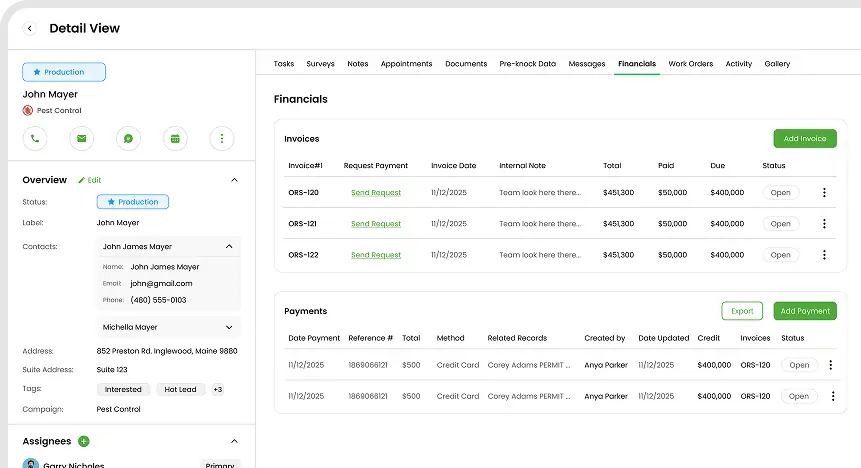
Numbers tell truths that emotions hide. That’s why manual tracking slows everything down. With a digital system like Knockio, managers can see door activity, lead quality, and follow-ups in real time. Having that data at your fingertips removes the guesswork and the excuses, allowing you to see exactly where a rep needs a hand before the week is over.

Discover How Knockio Enhances Your Sales Strategys.

Advanced Canvassing Sales Techniques

Basic door-knocking just doesn’t cut it anymore. Professional canvassers use subtle, layered techniques that make conversations smoother and more effective.

Pattern Interrupt Openers

Instead of the generic intro, try starting with something like, “Quick question before I head to the next house…” It naturally grabs attention. It pauses the homeowner’s automatic ‘no’ response and sparks their curiosity, giving you the crucial seconds you need to start a real conversation.

Micro Commitments

Once the conversation starts, the biggest mistake is rushing the close. Instead, you should try to focus on gaining micro-commitments. Would you agree energy costs have gone up?” or “Would you be open to options if they saved you money?” create small yeses. Each minor agreement subtly builds conversational momentum, making the final, bigger “yes” feel like a natural next step rather than a sudden leap.

Strategic Positioning

Even body language plays a role. If you are standing slightly at an angle rather than squaring up directly, keeping your posture relaxed with your hands visible, and offering a natural smile, all communicate that you are a friendly neighbor, not a threat. You win trust when you project confidence without crossing into aggression. These might seem like tiny details, but they dramatically change the outcome on the doorstep.

Territory Optimization and Smart Deployment

It gets easier to manage a canvassing team when you intentionally plan the territories with the door to door sales software rather than assign them randomly. 

Rotate Territories Strategically

Sometimes a territory isn’t just working out for you, no matter how hard you try. This is when a fresh face and a different energy can open doors that were closed before.

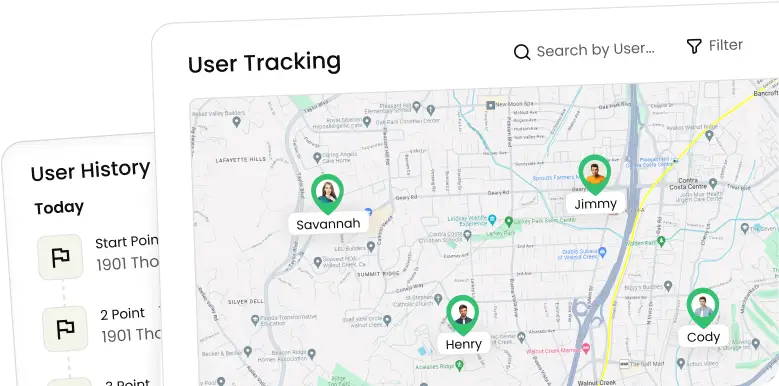
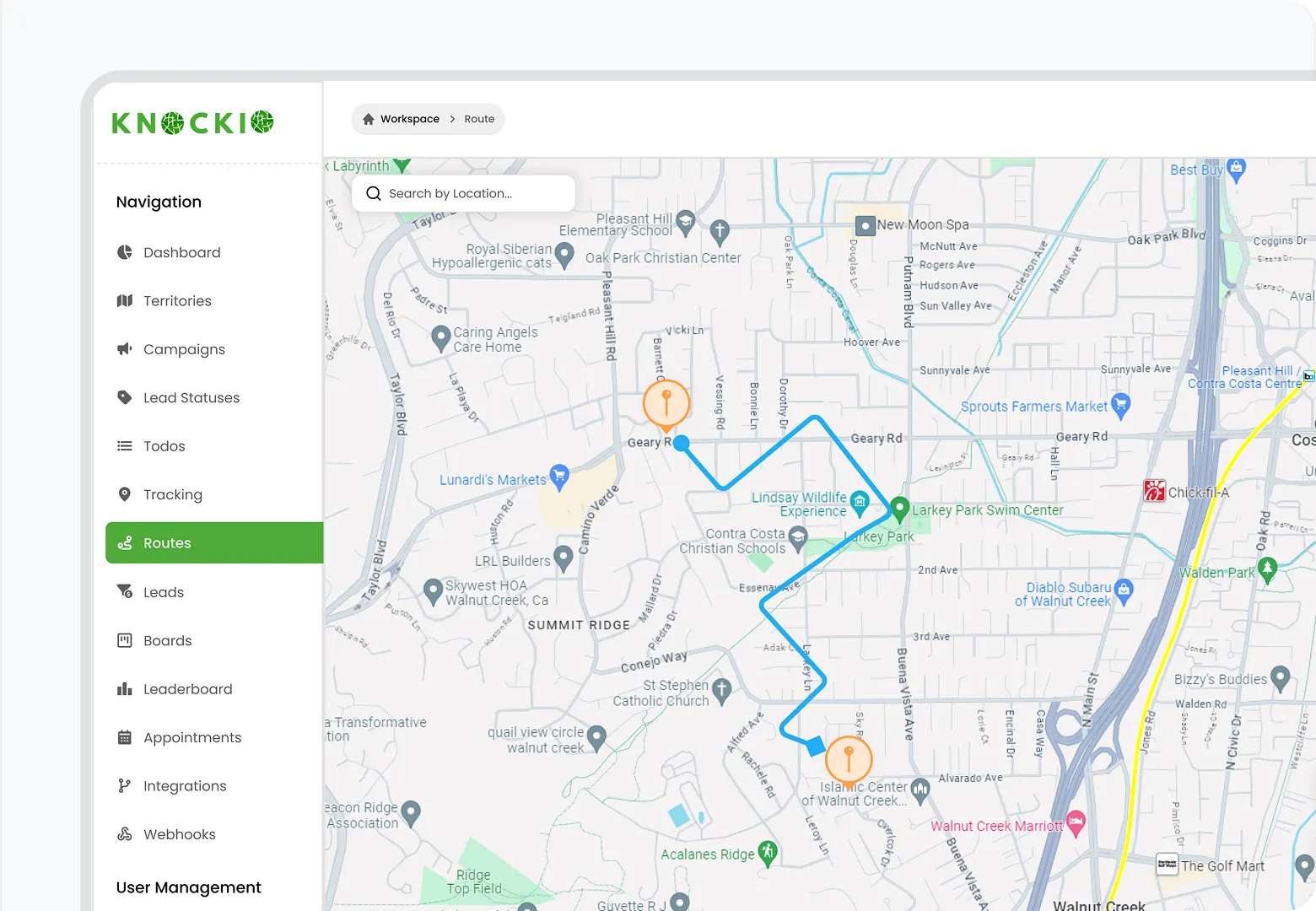
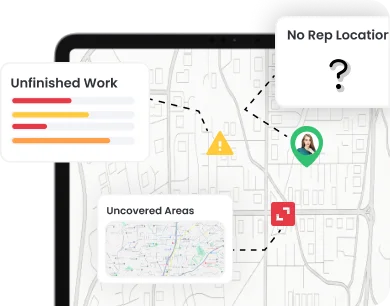
Digital mapping makes this process far more efficient. With tools like Knockio, managers can assign clear zones, track movement, and make sure every area is fully covered without overlap. That means no wasted effort and no blind spots. When you deploy reps smartly, results will improve without needing to hire more.

Time Block Scheduling

Timing matters too. Different neighborhoods respond at different hours. There are working professionals who may be more available after 5 PM, while retiree communities might engage with you earlier in the day. By tracking these response patterns and sending your team accordingly, you move away from random knocking and toward a strategic schedule that respects the homeowner’s routine and maximizes your team’s success.

Integrating Technology for Field Management

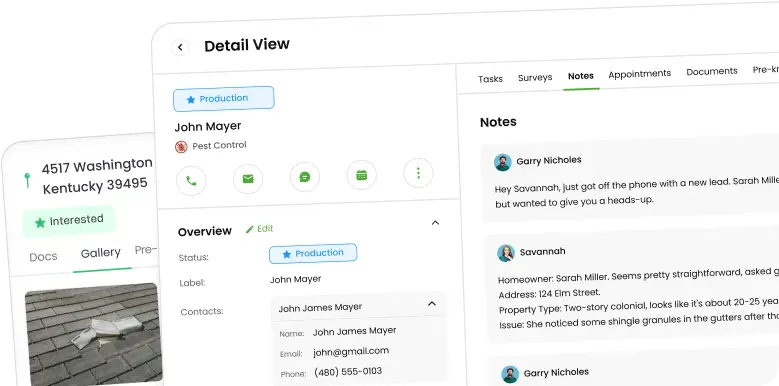
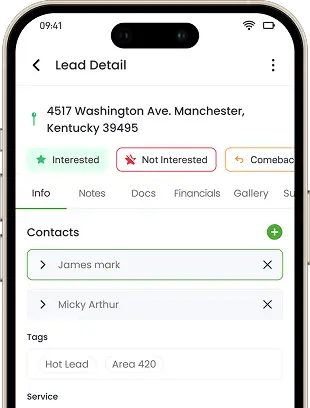
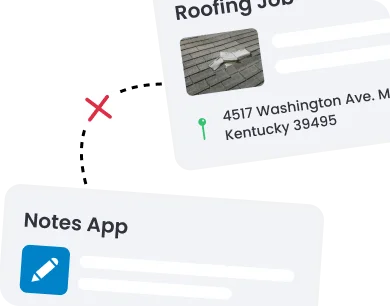
You can’t just rely on paper notes and memory to run a modern field canvassing team. When you move your operations into a digital space, you gain the clarity you need to lead effectively. When you have a dedicated field sales app, everything from real-time rep locations and lead notes to appointment scheduling and follow-up reminders is right at your fingertips. 

Field sales apps can track things like real-time rep location, lead notes, appointment scheduling, follow-up reminders, and performance dashboards all in one place. When managers see data live, they can coach in advance instead of waiting for weekly reports. When you correct faster, you will notice that your growth is faster too. 

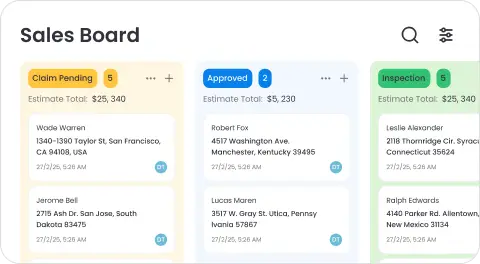
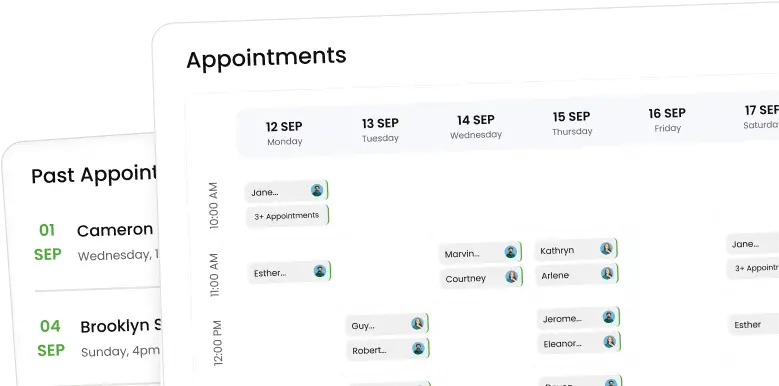
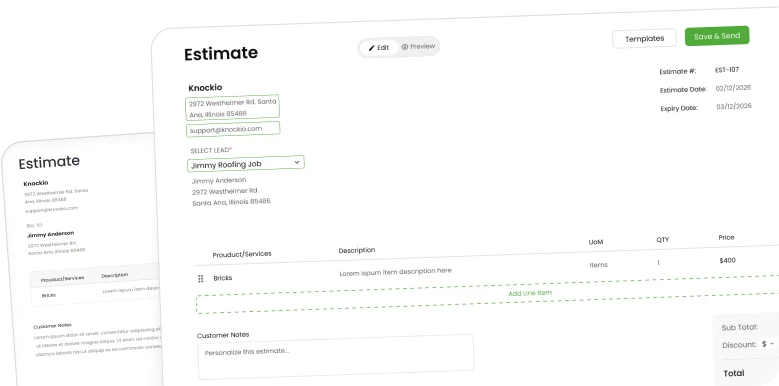
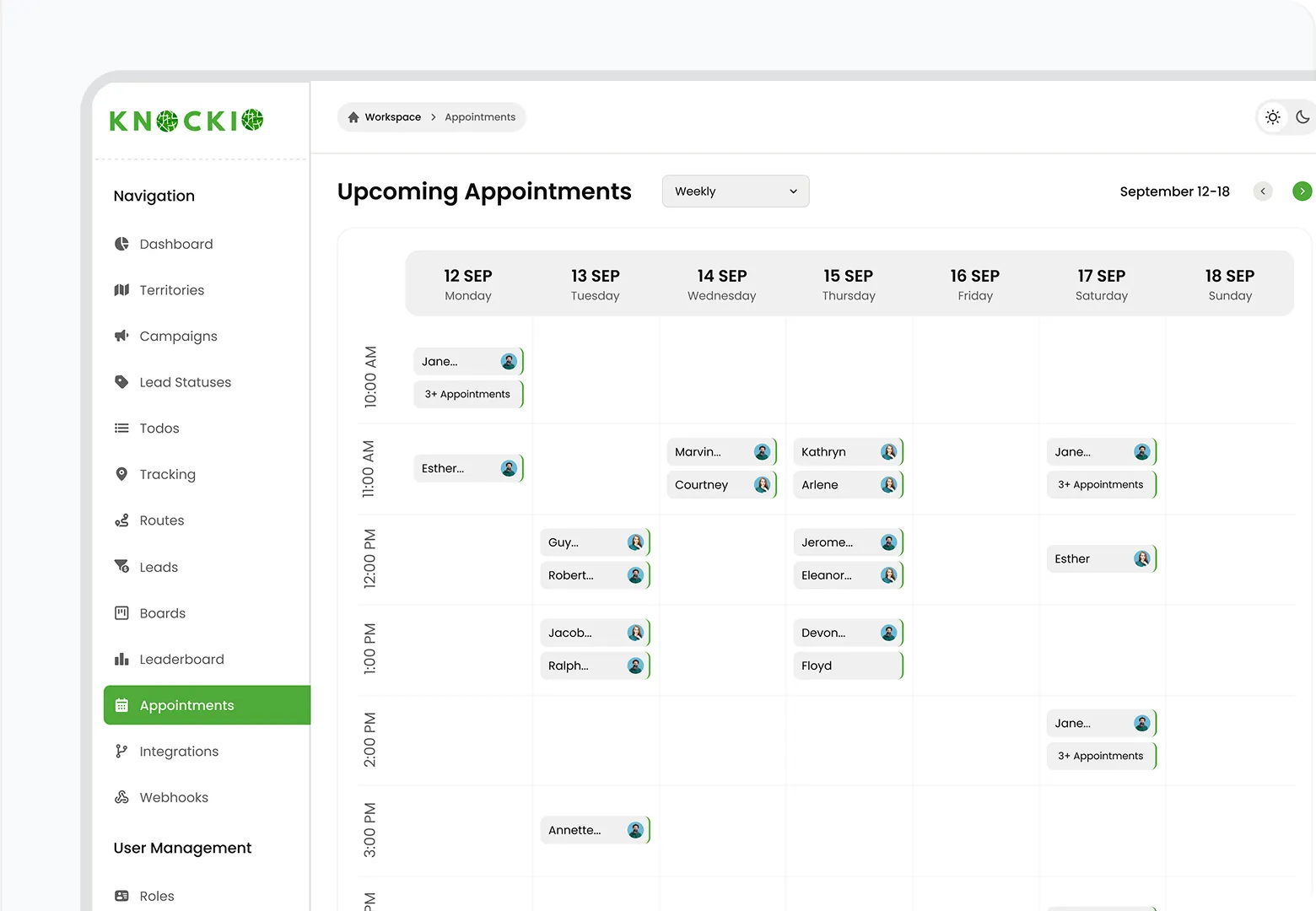
Ultimately, technology like Knockio should simplify your life, not add to your to-do list. When appointment scheduling, lead tracking, pipeline stages, and performance metrics live inside one system like Knockio, leaders spend less time organizing spreadsheets and more time actually coaching their teams. And the result shows up in revenue.

Maintaining Motivation in High-Rejection Environments

When you step foot into canvassing, you have to get used to rejection. And when morale dips, performance usually follows. That’s why it is important that you manage your emotions just as well as managing numbers.

Create Healthy Competition

One of the best ways to keep that energy up is by leaning into healthy competition. Weekly leaderboards work well, as long as they stay positive. Don’t just reward top revenue. Recognize the most improved rep, the highest conversation rate, or the best objection handler. When people feel seen for the skills they’re building, they stay hungry.

Prevent Burnout

At the same time, you have to actively protect your team from burnout. Field sales is physically and mentally draining, and an exhausted rep isn’t an effective one. Smart managers balance the workload by rotating high-intensity zones with lighter neighborhoods and making sure recovery days are part of the plan. When you encourage simple things like hydration and short breaks, it keeps the team sharp for the long haul.

Scaling a Canvassing Team Without Losing Control

Scaling a canvassing team is a massive win, but moving too fast is a trap. It’s tempting to start hiring as soon as the leads start rolling in, but when you add more people before your systems are solid, it is usually just a recipe for disaster. Real growth requires a backbone of structure first. Get your training documented and your metrics automated before you double your headcount

Think of it like building a house: you can’t add a second story if the foundation is cracking. When those core pieces are in place, expansion feels smooth rather than stressful.

Hiring, Scaling, and Turning Canvassing Into a Predictable Revenue Engine

Discover How Knockio Enhances Your Sales Strategys.

Managing a canvassing team isn’t just about the daily grind; it’s about building a self-sustaining engine that performs even when you aren’t in the room. You can do that by hiring the right people, developing leadership layers, and putting systems in place that create consistency and discipline.

Hiring the Right Canvassers

When you start hiring, you might go for a charismatic personality. But, in canvassing, resilience is what pays the bills. You should look for candidates who show emotional stability under pressure, competitive drive, physical stamina, adaptability, and, most importantly, coachability. Often, a newcomer with the right attitude will always outlast a “pro” who refuses to change.

Structured Hiring Process

To find these people, you have to move past the standard interview and start testing their instincts. You can do this by engaging in role-play scenarios, objection handling simulations, mock door introductions, and territory walk exercises.

Pay attention to how candidates respond to feedback. If they resist correction, they’ll resist growth. You need a team of coachable minds who are more focused on getting better than just being right.

Building Team Leaders From Within

To scale successfully, you eventually have to step back and let others lead. Whenever possible, promote from within. Senior reps already understand the territory, the objections, the pace, and the realities of the field. Their experience gives them instant credibility with the team.

To carry it out, you need to have the right system in place. Instead of wrestling with manual reports or messy spreadsheets, using a dashboard like Knockio gives you a live look at doors knocked, lead quality, and conversion patterns.

When leaders have clarity, they lead with confidence. And confident leadership brings order to the team.

Managing Underperformers Without Destroying Morale

Every canvassing team has reps that thrive and others that hit rough patches. But when a rep starts to struggle, the first step shouldn’t be a trip to the exit. Instead, you have to dig down and find the real issue. 

Identify the Breakdown Point

You can start by looking at the data in a CRM like Knockio. You can see if the rep is hitting enough doors but failing to start conversations, or if he is getting plenty of talk time but failing to qualify the leads. You can help them by identifying whether it’s an effort problem or a skill gap.

Targeted Retraining

Once you find the problem, ditch the general pep talks and start targeted retraining. If their opener is weak, spend the week drilling nothing but those first ten seconds. If they’re getting stuck on objections, run specific drills until those responses become a reflex. Targeted coaching fixes a performance dip much faster than broad motivation.

Clear Performance Benchmarks

Finally, while support is essential, it needs to have clear boundaries. Set clear improvement goals like increasing conversation rate within two weeks, raising appointment ratios to a minimum threshold, and consistently hitting activity targets.

When accountability is backed by clear numbers and a fair chance to improve, it feels like professional growth.

Designing Compensation Plans That Drive Results

How you pay is how they behave. If you only reward the final closed deal, your reps might start cutting corners on qualification just for a quick win. On the flip side, if you only pay for activity, you’ will get low-quality noise. 

The best models blend a steady base with bonuses for activity, appointments, and final commissions. It keeps everyone pulling in the same direction. This way, reps stay motivated, leaders drive volume, closers focus on revenue, and performance becomes far more predictable.

Creating Long Term Retention in a High Pressure Environment

Canvassing is known for having a high turnover. That is usually a management problem. People stay when they see a future.

Offer Career Paths

A junior rep can grow into a senior rep, then a team leader, a territory manager, or even a regional manager. When people see a path forward, they see the daily rejections like temporary stepping stones instead of dead ends. 

Provide Skill Development Beyond Sales

Don’t limit training to scripts and quotas. Teach your reps communication psychology, negotiation frameworks, personal branding, and leadership skills. It may not seem like it, but the more you invest in your people, the more likely they are to stay.

Turning Canvassing Into a Predictable Revenue Engine

The “final boss” level of field sales isn’t about working more hours; it’s about turning that daily hustle into a system you can actually trust. The secret is simple: stop treating territory picks, training, and reporting as separate chores. When you link them into a single loop, you stop “guessing” and start making decisions backed by cold, hard data.

This is where modern field sales platforms like Knockio change the game. When everything is in one place, you can manage while thinking ahead. Here’s what that looks like in the real world:

  • Live Visibility: You don’t have to wait until Friday ‘after work check-in’ to see that the week was a bust. You can see who’s active right now.
  • Conversion Hotspots: You can spot exactly which neighborhoods are actually hot spots right now and which ones are just a waste of gas.
  • Script Auditing: You’ll know which openers are landing appointments and which ones are getting doors slammed in your reps’ faces.
  • Proactive Fixes: If a rep’s numbers dip on Tuesday morning, you can coach them by Tuesday afternoon, before a bad day turns into a bad month.

This kind of visibility keeps you in control, instead of crossing your fingers and hoping revenue works itself out.

Final Framework for Managing a Canvassing Team

If you want to build a high-performing team, you have to balance human leadership with a solid, modern structure. Hire for grit. Build skills in layers. Use data to stay surgical. Ditch the paperwork for digital tools. And finally, show your reps you’ve got their back. When the right elements work together, the team doesn’t just “work harder”, it works better.

Discover How Knockio Enhances Your Sales Strategys.