Summary:
Roof choices in the United States change from state to state because climate, budget, and home style decide what holds up best. This guide breaks down fifteen common roofing types, where each one is popular, and why homeowners pick them. It also shows how roofing companies use Knockio to manage jobs, send estimates, collect payments, and track territory coverage in one connected system instead of five or ten separate tools.
Summarize with:
Here is a breakdown of the types of Roofing in the United States
1. Asphalt Shingle Roofing
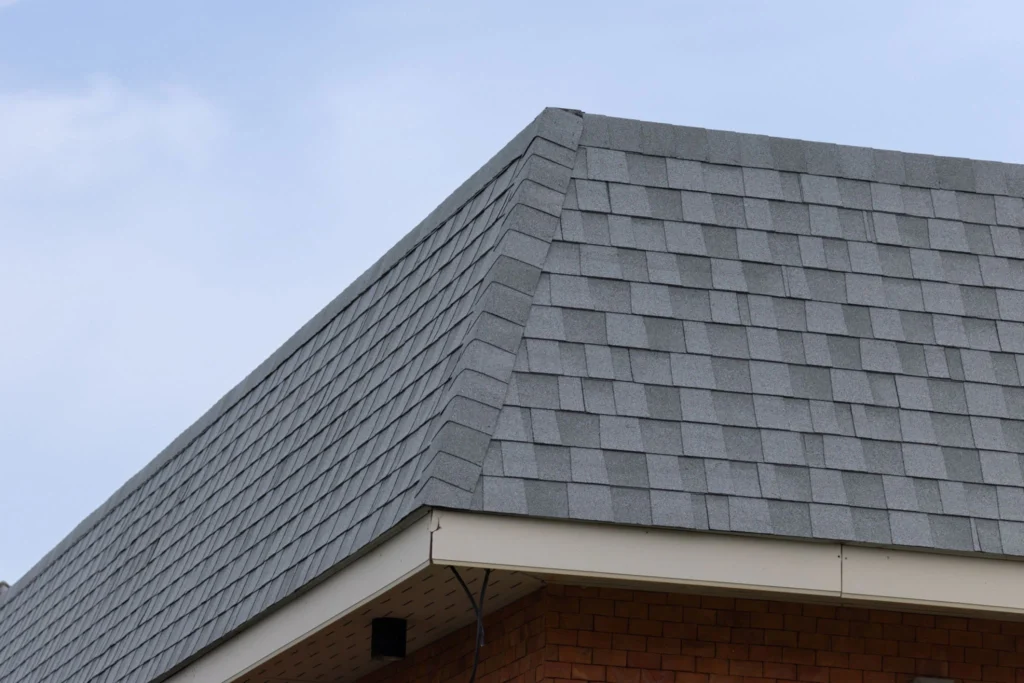 Start with the clear leader. Asphalt shingles cover more American homes than anything else. You know the look. Overlapping strips that lay flat and clean across the roofline.
Three things keep them on top:
Start with the clear leader. Asphalt shingles cover more American homes than anything else. You know the look. Overlapping strips that lay flat and clean across the roofline.
Three things keep them on top:
- Price. They are the most affordable option a homeowner can buy.
- Easy installs. Almost every crew knows how to work with them, so labor stays reasonable.
- Color choices. They come in nearly every shade, so they fit most home styles and roof shapes.
2. Metal Roofing
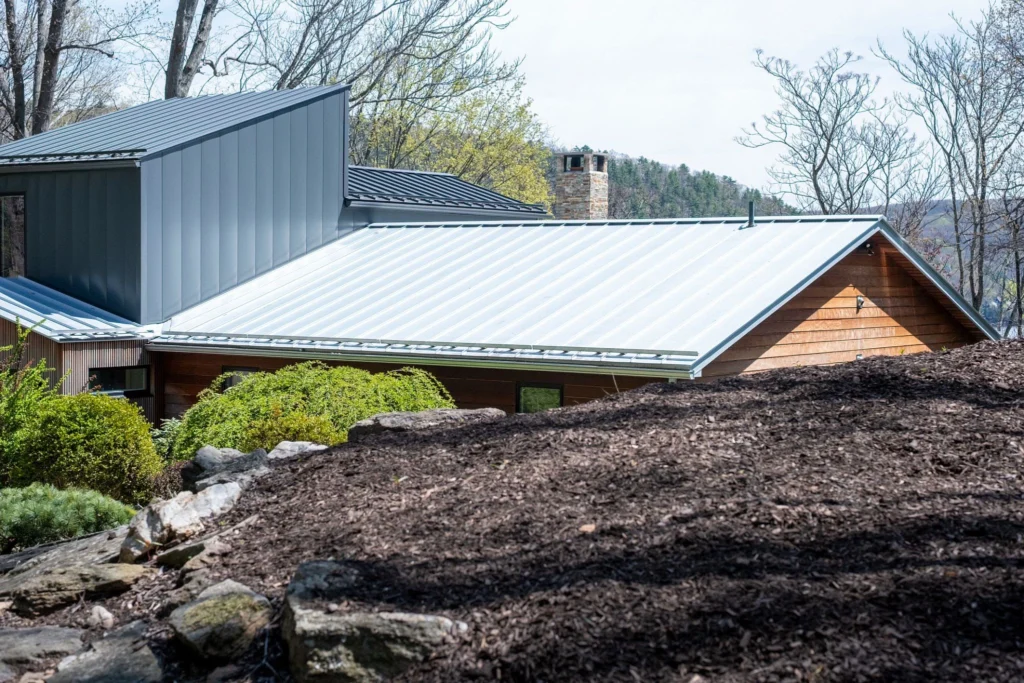 Metal roofing plays a different game. Clean lines, modern look, and a lifespan that makes homeowners pause. You see it on houses and commercial buildings across the country, and the main draw is simple. It lasts a very long time.
Most metal roofs use aluminum, copper, or steel. They cost more up front, but a good one can run around fifty years with little fuss. They reflect heat, resist fire, and stand up to rough weather. In hurricane zones like Florida, they hold when the wind tries to peel everything off. In snowy states like Colorado, Minnesota, and Washington, they shed snow fast so ice does not pile up.
If looks matter, the standing seam style with its tall vertical lines is the favorite. It works on modern homes and that updated farmhouse style people love right now.
Metal roofs are bigger projects, which means more steps between the handshake and the install. This is where a connected job record earns its keep. In Knockio, a sold metal job turns into a work order with tasks, a crew schedule, and notes the installers can read on site. The material takeoff links to inventory, so the office knows what panels to order. When the job wraps, the same record holds the final photos and the invoice. One job, one timeline, no scattered spreadsheets.
Metal roofing plays a different game. Clean lines, modern look, and a lifespan that makes homeowners pause. You see it on houses and commercial buildings across the country, and the main draw is simple. It lasts a very long time.
Most metal roofs use aluminum, copper, or steel. They cost more up front, but a good one can run around fifty years with little fuss. They reflect heat, resist fire, and stand up to rough weather. In hurricane zones like Florida, they hold when the wind tries to peel everything off. In snowy states like Colorado, Minnesota, and Washington, they shed snow fast so ice does not pile up.
If looks matter, the standing seam style with its tall vertical lines is the favorite. It works on modern homes and that updated farmhouse style people love right now.
Metal roofs are bigger projects, which means more steps between the handshake and the install. This is where a connected job record earns its keep. In Knockio, a sold metal job turns into a work order with tasks, a crew schedule, and notes the installers can read on site. The material takeoff links to inventory, so the office knows what panels to order. When the job wraps, the same record holds the final photos and the invoice. One job, one timeline, no scattered spreadsheets.
3. Clay Tile Roofing
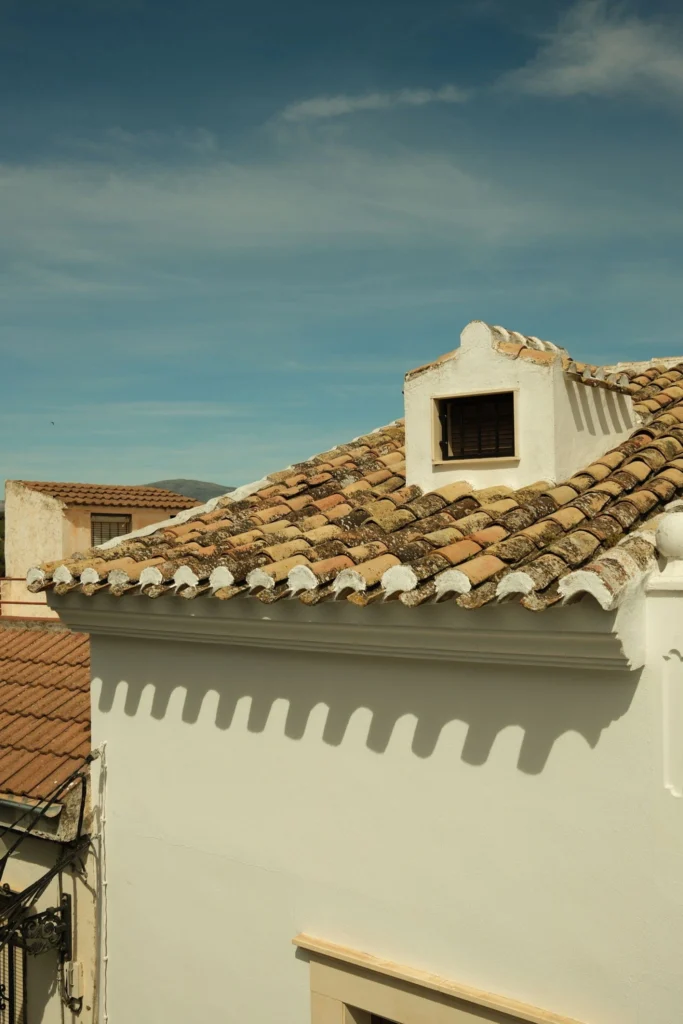 Walk through a neighborhood in California or Arizona and you will see those rounded, sun baked tiles. That is clay roofing. It thrives in hot, dry places because the tiles soak up heat without fading or breaking down. It carries that Mediterranean or Spanish look, and it does not burn, which matters a lot in wildfire country.
There is a catch. Clay is heavy, so the home needs strong framing, and installs cost more than asphalt or metal. Still, many homeowners decide it is worth it. Once those tiles are up, they can last decades, sometimes a full century. Near the Florida coast, clay and concrete tiles are everywhere because they handle heat and salty air better than most materials.
Clay is a premium sale, not a quick one. A homeowner spending this kind of money wants to see exactly what they are paying for. Knockio’s estimates handle that well. You can build a clear quote with optional line items, pull pricing from a product and service catalog, and let the homeowner accept and sign right on the spot with a digital signature. If they want to add a feature later, a change order keeps the numbers clean and the job record accurate.
Walk through a neighborhood in California or Arizona and you will see those rounded, sun baked tiles. That is clay roofing. It thrives in hot, dry places because the tiles soak up heat without fading or breaking down. It carries that Mediterranean or Spanish look, and it does not burn, which matters a lot in wildfire country.
There is a catch. Clay is heavy, so the home needs strong framing, and installs cost more than asphalt or metal. Still, many homeowners decide it is worth it. Once those tiles are up, they can last decades, sometimes a full century. Near the Florida coast, clay and concrete tiles are everywhere because they handle heat and salty air better than most materials.
Clay is a premium sale, not a quick one. A homeowner spending this kind of money wants to see exactly what they are paying for. Knockio’s estimates handle that well. You can build a clear quote with optional line items, pull pricing from a product and service catalog, and let the homeowner accept and sign right on the spot with a digital signature. If they want to add a feature later, a change order keeps the numbers clean and the job record accurate.
4. Concrete Tile Roofing
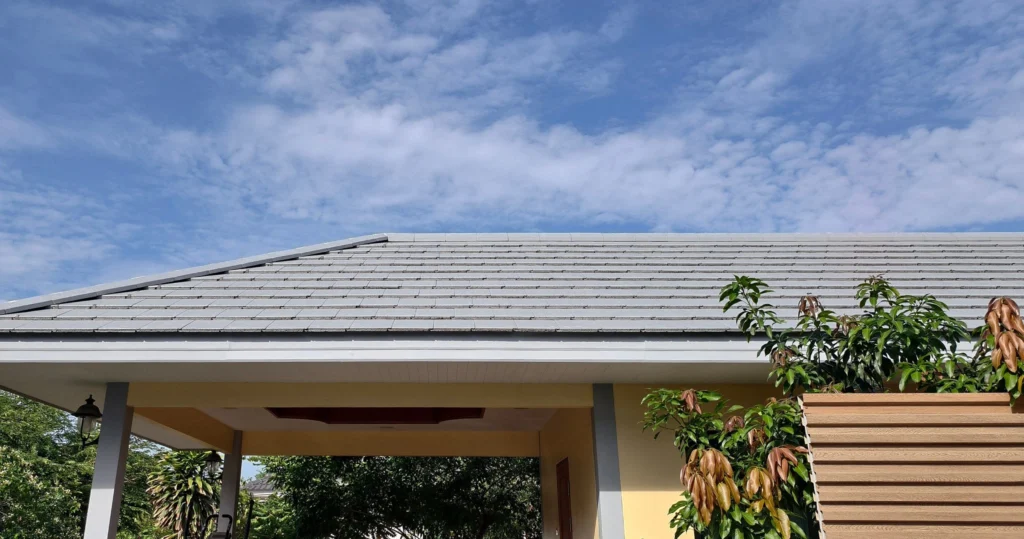 Think of concrete tile as clay’s more flexible, slightly cheaper relative. You get that same architectural shape, but the tiles can be molded and colored to mimic wood shakes or slate. So a homeowner gets the look they want plus real durability. The downside is the same as clay. It is heavy, so the roof frame may need reinforcement to carry the load safely.
You will see concrete tile all over Nevada, Southern California, and Arizona. It holds up in heat, costs less than clay, and comes in plenty of colors and textures, which gives builders room to shape how a whole neighborhood looks.
Bigger tile projects often carry bigger price tags, and that means more paperwork. Knockio lets you turn an on site estimate into a signed agreement without driving back to the office. Use a saved template so you are not rebuilding the same quote every time, let the homeowner sign on your phone or tablet, and the accepted estimate becomes part of the job record automatically. The sale closes while you are still standing in the driveway.
Think of concrete tile as clay’s more flexible, slightly cheaper relative. You get that same architectural shape, but the tiles can be molded and colored to mimic wood shakes or slate. So a homeowner gets the look they want plus real durability. The downside is the same as clay. It is heavy, so the roof frame may need reinforcement to carry the load safely.
You will see concrete tile all over Nevada, Southern California, and Arizona. It holds up in heat, costs less than clay, and comes in plenty of colors and textures, which gives builders room to shape how a whole neighborhood looks.
Bigger tile projects often carry bigger price tags, and that means more paperwork. Knockio lets you turn an on site estimate into a signed agreement without driving back to the office. Use a saved template so you are not rebuilding the same quote every time, let the homeowner sign on your phone or tablet, and the accepted estimate becomes part of the job record automatically. The sale closes while you are still standing in the driveway.
5. Slate Roofing
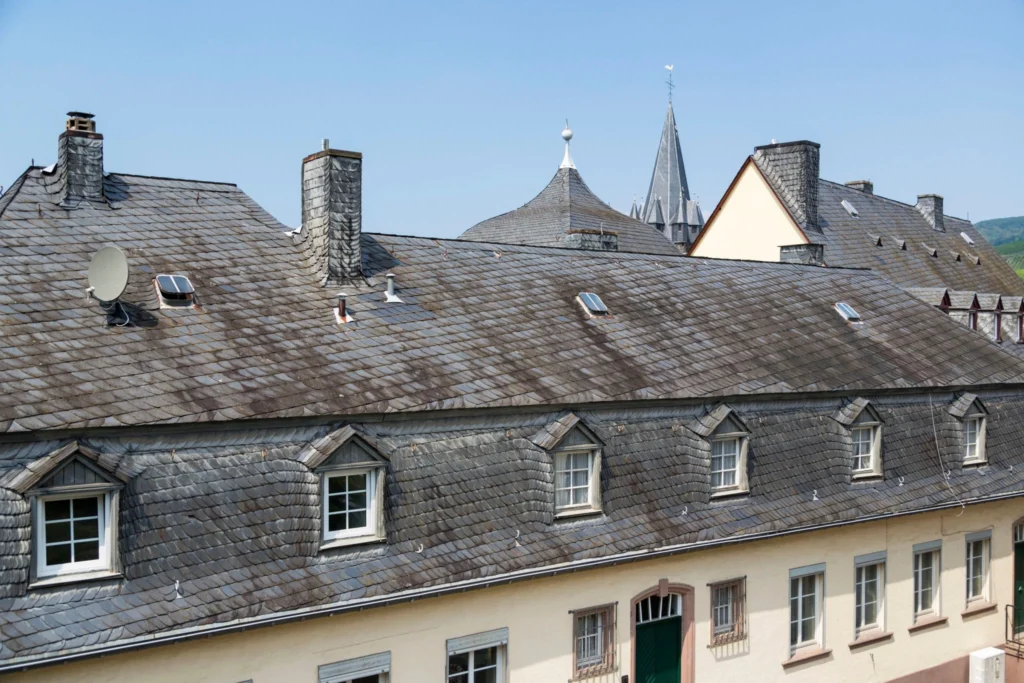 Slate is the top shelf choice. Real stone, almost impossible to wear out, and stunning to look at. Care for it and a slate roof can hold strong for over a hundred years. Those deep gray and green tones give old homes their classic, vintage character.
Look for slate in the Northeast: New York, Vermont, and Pennsylvania. Plenty of older houses there still wear their original slate. The trade off is cost. The tiles are expensive, the install needs real expertise, and the home has to be strong enough to carry the weight. But for a historic home or a high end build, nothing else compares.
Slate projects can stretch over weeks and involve specialty crews. Keeping the job moving means everyone needs to see the same information. With Knockio’s board view, a company can watch each slate job move through its pipeline stage by stage, with the right people assigned at each step. Notes, files, and photos all live on the job, so a crew lead and the office never have to chase each other for updates.
Slate is the top shelf choice. Real stone, almost impossible to wear out, and stunning to look at. Care for it and a slate roof can hold strong for over a hundred years. Those deep gray and green tones give old homes their classic, vintage character.
Look for slate in the Northeast: New York, Vermont, and Pennsylvania. Plenty of older houses there still wear their original slate. The trade off is cost. The tiles are expensive, the install needs real expertise, and the home has to be strong enough to carry the weight. But for a historic home or a high end build, nothing else compares.
Slate projects can stretch over weeks and involve specialty crews. Keeping the job moving means everyone needs to see the same information. With Knockio’s board view, a company can watch each slate job move through its pipeline stage by stage, with the right people assigned at each step. Notes, files, and photos all live on the job, so a crew lead and the office never have to chase each other for updates.
6. Wood Shingle and Shake Roofing
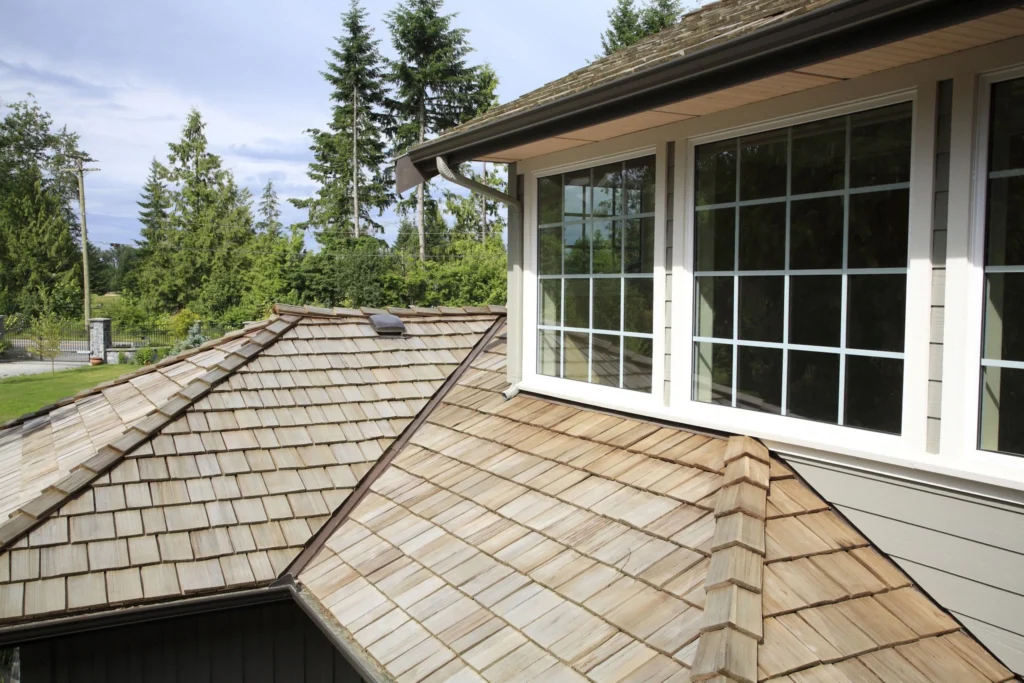 Wood roofs have a charm that never really fades. Neat shingles or rougher, rustic shakes both add a natural warmth that is hard to copy. Cedar is the popular pick because it smells great and resists rot better than most woods. The catch is upkeep. Wood needs cleaning, treating, and the occasional swap to keep moss and fire risk in check.
You will find wood roofs in Washington, Montana, and Oregon, where the material is close by and people love that cozy, natural feel. Some old cottages along the Maine and Massachusetts coasts still wear wood too.
Selling wood means setting honest expectations about maintenance, or you get an unhappy customer two years later. Knockio helps you keep that conversation organized. Store the inspection photos, care guides, and product details right on the job, then set up automated reminders through the Automation Flow Builder so the homeowner gets a maintenance nudge when the season calls for it. That kind of follow up is what turns one wood roof into a referral.
Wood roofs have a charm that never really fades. Neat shingles or rougher, rustic shakes both add a natural warmth that is hard to copy. Cedar is the popular pick because it smells great and resists rot better than most woods. The catch is upkeep. Wood needs cleaning, treating, and the occasional swap to keep moss and fire risk in check.
You will find wood roofs in Washington, Montana, and Oregon, where the material is close by and people love that cozy, natural feel. Some old cottages along the Maine and Massachusetts coasts still wear wood too.
Selling wood means setting honest expectations about maintenance, or you get an unhappy customer two years later. Knockio helps you keep that conversation organized. Store the inspection photos, care guides, and product details right on the job, then set up automated reminders through the Automation Flow Builder so the homeowner gets a maintenance nudge when the season calls for it. That kind of follow up is what turns one wood roof into a referral.
7. Solar Tile Roofing
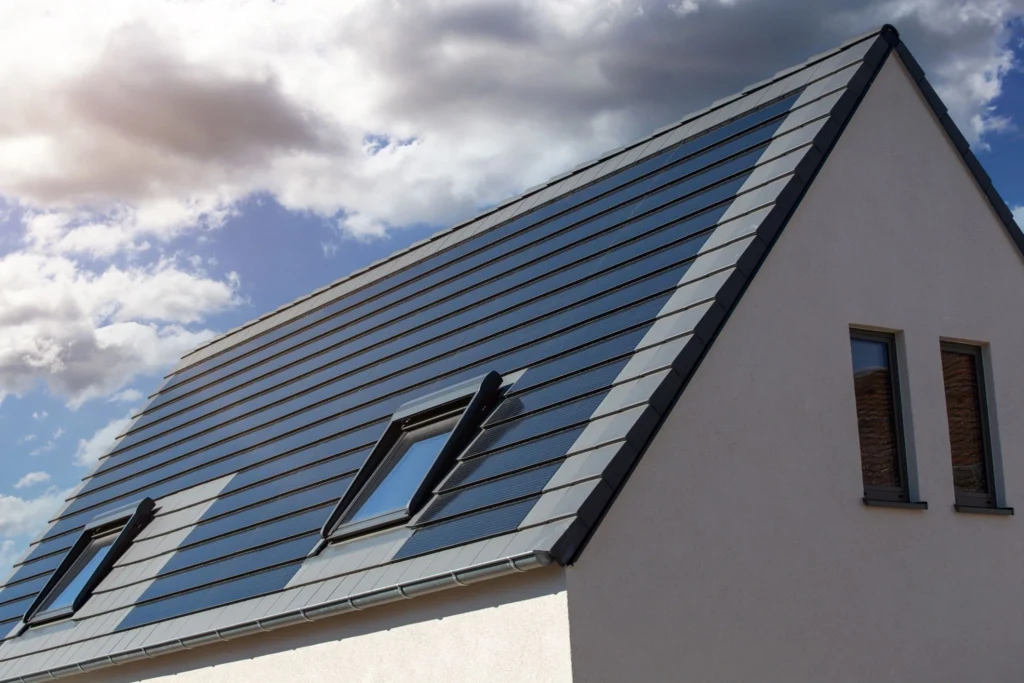 Solar tiles are the roofing world’s newest big idea. Instead of bolting bulky panels onto your shingles, the tiles themselves make electricity. The result looks clean and does two jobs at once: it protects the house and trims the power bill.
The up front cost gives people pause. But over time, lower electricity bills and tax incentives can add up to real savings. Solar tiles are catching on in California, Arizona, and Nevada, where the sun shows up most days and power costs run high. Some states even nudge homeowners toward solar through building codes.
For a roofing company, solar tile work can be a smart, profitable add. The challenge is helping a homeowner understand the long term math. With Knockio, you can build a detailed estimate that lays out the cost clearly, save it as a reusable template for your next solar lead, and capture the customer’s signature the moment they are ready. The whole money conversation stays grounded in a clean, professional quote instead of scribbled napkin math.
Solar tiles are the roofing world’s newest big idea. Instead of bolting bulky panels onto your shingles, the tiles themselves make electricity. The result looks clean and does two jobs at once: it protects the house and trims the power bill.
The up front cost gives people pause. But over time, lower electricity bills and tax incentives can add up to real savings. Solar tiles are catching on in California, Arizona, and Nevada, where the sun shows up most days and power costs run high. Some states even nudge homeowners toward solar through building codes.
For a roofing company, solar tile work can be a smart, profitable add. The challenge is helping a homeowner understand the long term math. With Knockio, you can build a detailed estimate that lays out the cost clearly, save it as a reusable template for your next solar lead, and capture the customer’s signature the moment they are ready. The whole money conversation stays grounded in a clean, professional quote instead of scribbled napkin math.
8. Composite or Synthetic Roofing
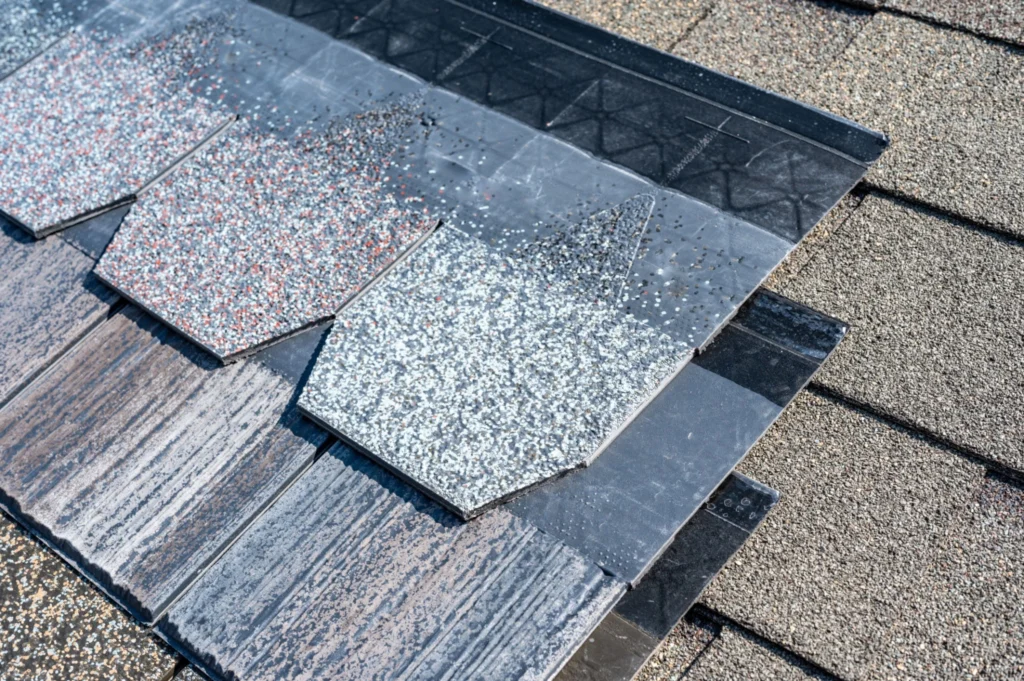 Composite roofing is the great pretender. It looks like a pricey material such as slate or wood, but it is made from recycled plastics, rubber, or polymer blends. These roofs are light, resist mold, and usually carry long warranties, which makes them an easy yes for a lot of homeowners.
You will see composite in Washington, Oregon, and California, where people care about sustainability and want something that lasts. The appeal is clear. A high end look without the high end price or the constant upkeep of natural materials.
Composite installs are quicker, which frees a company to chase the next job, but only if follow up does not slip. Knockio’s Automation Flow Builder can handle that quiet work for you. Schedule a thank you text after the install, a review request a week later, and a check in months down the road. Each message ties back to the customer’s job record, so one finished roof can quietly become repeat work and referrals without anyone manually tracking it.
Composite roofing is the great pretender. It looks like a pricey material such as slate or wood, but it is made from recycled plastics, rubber, or polymer blends. These roofs are light, resist mold, and usually carry long warranties, which makes them an easy yes for a lot of homeowners.
You will see composite in Washington, Oregon, and California, where people care about sustainability and want something that lasts. The appeal is clear. A high end look without the high end price or the constant upkeep of natural materials.
Composite installs are quicker, which frees a company to chase the next job, but only if follow up does not slip. Knockio’s Automation Flow Builder can handle that quiet work for you. Schedule a thank you text after the install, a review request a week later, and a check in months down the road. Each message ties back to the customer’s job record, so one finished roof can quietly become repeat work and referrals without anyone manually tracking it.
9. Flat Roof and Low-Slope Roofing Systems
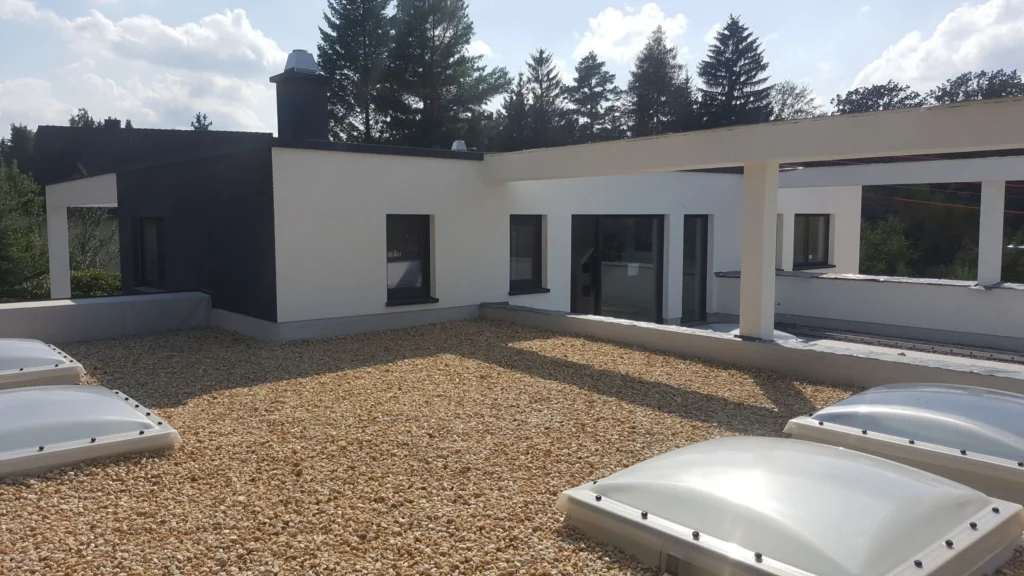 Not every roof has a slope. Plenty of newer houses, townhomes, and commercial buildings use flat or low slope roofs built from TPO, EPDM rubber, or modified bitumen. The upside is usable space. People put AC units, small patios, even gardens up there when the building can hold the weight.
Florida, Texas, and California are full of flat roofs, especially on commercial buildings and minimalist modern homes. The main worry is drainage. Standing water causes damage, so these need a careful install. That means inspection and sealing steps you cannot afford to skip.
This is exactly where job tracking matters. In Knockio, a flat roof job can carry a work order with a task checklist, so the crew knows every sealing and inspection step that has to happen before the job closes. Managers assign the right tech, watch the status update as each step finishes, and catch a missed step before it becomes a callback. Photos uploaded from the field prove the work was done right.
Not every roof has a slope. Plenty of newer houses, townhomes, and commercial buildings use flat or low slope roofs built from TPO, EPDM rubber, or modified bitumen. The upside is usable space. People put AC units, small patios, even gardens up there when the building can hold the weight.
Florida, Texas, and California are full of flat roofs, especially on commercial buildings and minimalist modern homes. The main worry is drainage. Standing water causes damage, so these need a careful install. That means inspection and sealing steps you cannot afford to skip.
This is exactly where job tracking matters. In Knockio, a flat roof job can carry a work order with a task checklist, so the crew knows every sealing and inspection step that has to happen before the job closes. Managers assign the right tech, watch the status update as each step finishes, and catch a missed step before it becomes a callback. Photos uploaded from the field prove the work was done right.
10. Green or Living Roofs
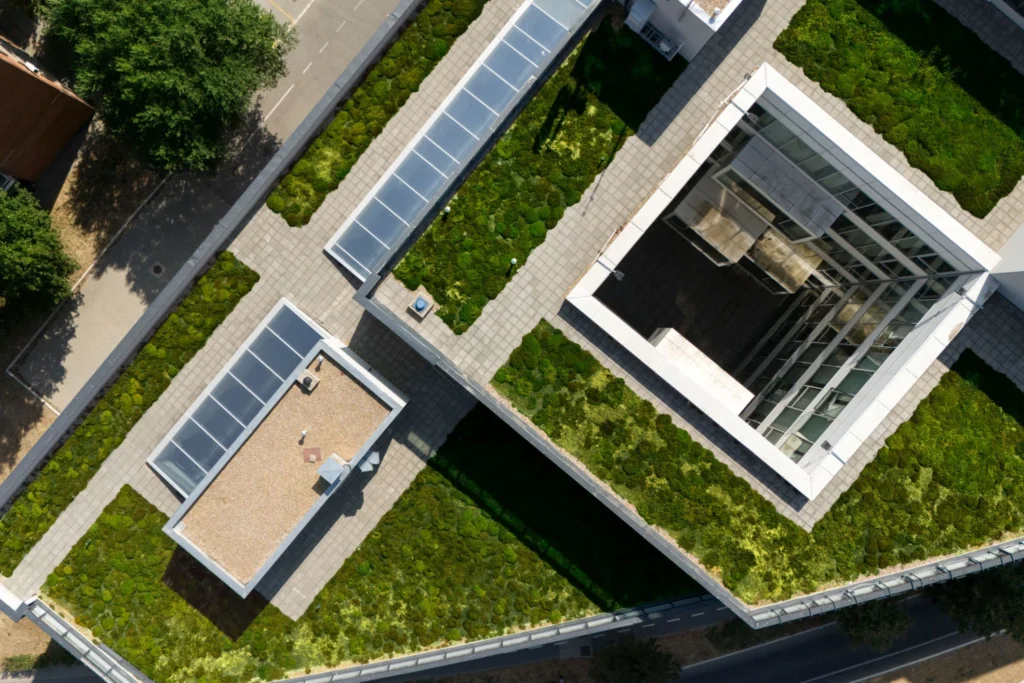 A green roof is exactly what it sounds like: a roof with plants growing on it. Soil, vegetation, and a watering setup sit on top of a waterproof layer. The payoff is better insulation, less heat soaking into the building, and a little patch of nature in the middle of a city. You will see them on sleek modern homes and eco minded office buildings that take rainwater seriously.
Green roofs show up most in Chicago, New York, and San Francisco, where city sustainability programs push them. They are not cheap and they need ongoing care, but people love the look and the environmental upside.
Specialized installs like these involve niche crews and long term maintenance, which is a lot to track by hand. Knockio keeps green roof jobs in one place, from the first lead through install and into ongoing upkeep. Use custom job statuses to mark where each project stands, assign the specialty crew, and schedule recurring maintenance visits, all without juggling a stack of spreadsheets.
A green roof is exactly what it sounds like: a roof with plants growing on it. Soil, vegetation, and a watering setup sit on top of a waterproof layer. The payoff is better insulation, less heat soaking into the building, and a little patch of nature in the middle of a city. You will see them on sleek modern homes and eco minded office buildings that take rainwater seriously.
Green roofs show up most in Chicago, New York, and San Francisco, where city sustainability programs push them. They are not cheap and they need ongoing care, but people love the look and the environmental upside.
Specialized installs like these involve niche crews and long term maintenance, which is a lot to track by hand. Knockio keeps green roof jobs in one place, from the first lead through install and into ongoing upkeep. Use custom job statuses to mark where each project stands, assign the specialty crew, and schedule recurring maintenance visits, all without juggling a stack of spreadsheets.
11. Rolled Roofing
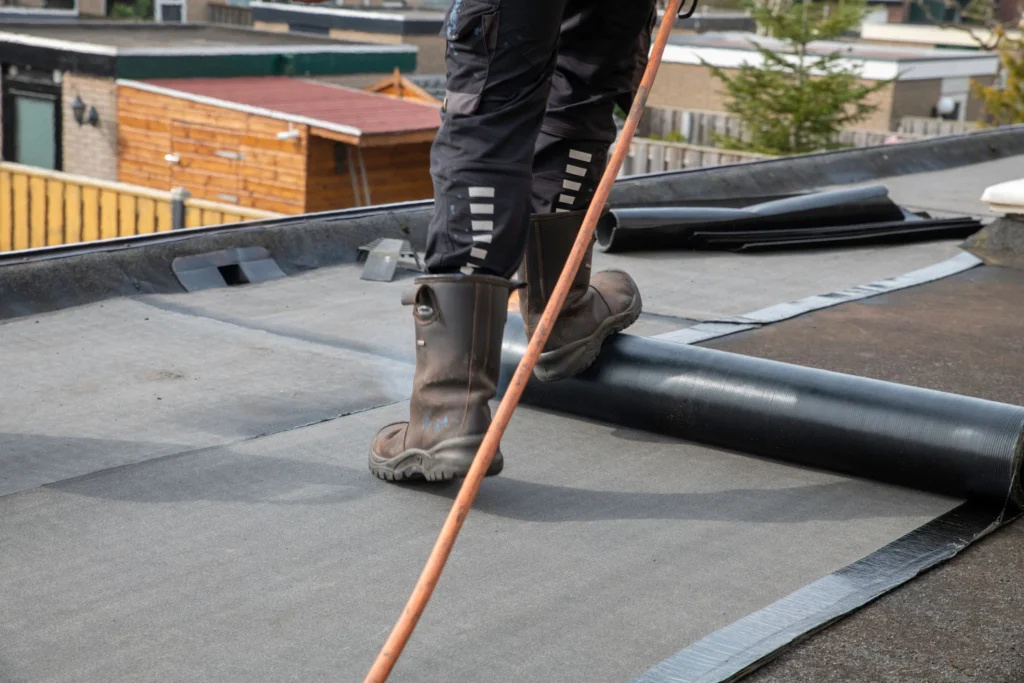 Rolled roofing is the quick, no fuss option. It is cheap, fast to install, and common on sheds, garages, and small buildings. The material comes in long rolls you unroll and seal onto a flat or low pitch surface. It is not the prettiest or the toughest, but when the budget is tight, it does the job.
You will spot rolled roofing in rural parts of Texas, Kentucky, and Mississippi, where there are more utility buildings than fancy homes. Contractors often reach for it on a fast fix or a temporary cover after a storm.
Small, quick jobs are easy to lose in the shuffle when bigger projects grab all the attention. Knockio helps crews stay on top of these with simple task tracking and dispatching. Assign the job, set the status, and the field team gets the address, the notes, and what needs doing. Even a fifty dollar shed repair gets the same clean record as a major install, so nothing falls through the cracks.
Rolled roofing is the quick, no fuss option. It is cheap, fast to install, and common on sheds, garages, and small buildings. The material comes in long rolls you unroll and seal onto a flat or low pitch surface. It is not the prettiest or the toughest, but when the budget is tight, it does the job.
You will spot rolled roofing in rural parts of Texas, Kentucky, and Mississippi, where there are more utility buildings than fancy homes. Contractors often reach for it on a fast fix or a temporary cover after a storm.
Small, quick jobs are easy to lose in the shuffle when bigger projects grab all the attention. Knockio helps crews stay on top of these with simple task tracking and dispatching. Assign the job, set the status, and the field team gets the address, the notes, and what needs doing. Even a fifty dollar shed repair gets the same clean record as a major install, so nothing falls through the cracks.
12. Copper Roofing
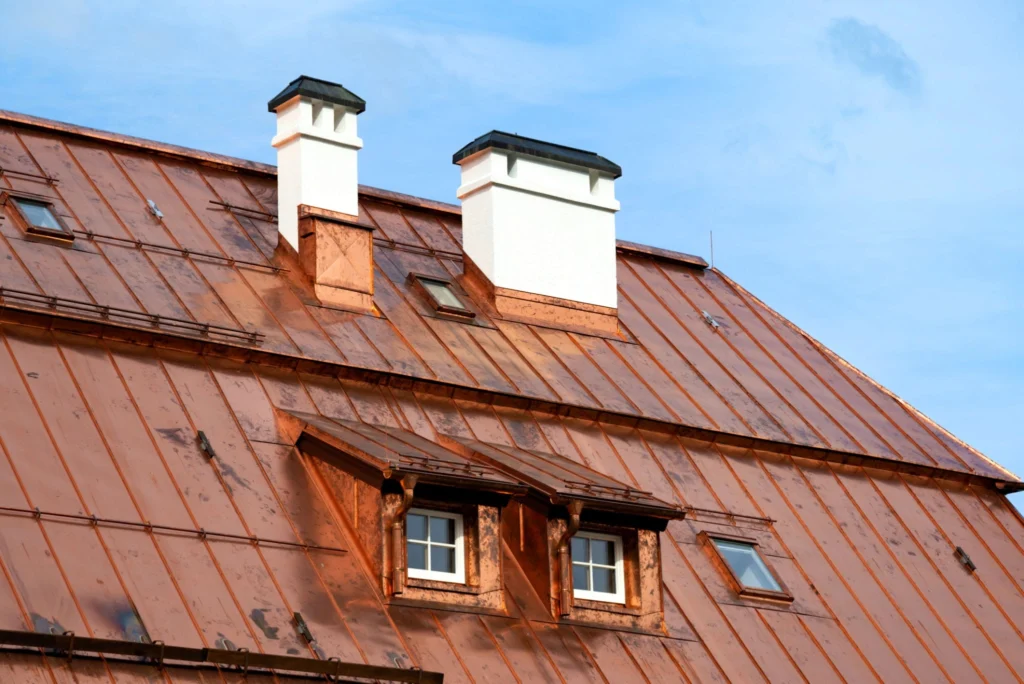 Copper roofs are pure sophistication. Over time, copper develops a greenish patina that gives it real character. It costs more, but it is one of the longest lasting materials out there. Copper naturally resists corrosion and shrugs off extreme temperatures, which makes it a favorite for historic buildings and luxury homes.
You will find copper on churches, courthouses, and high end homes in New York, Virginia, and California. It takes special craftsmanship to install, so it stays a niche specialty.
When you work on showpiece projects, your finished work is your best sales tool. Knockio’s job records hold every photo and document from start to finish, so you can track progress on a current copper job and build a portfolio to show the next high end prospect. A homeowner deciding on a sixty thousand dollar roof wants proof you have done it before, and your past jobs are right there to show.
Copper roofs are pure sophistication. Over time, copper develops a greenish patina that gives it real character. It costs more, but it is one of the longest lasting materials out there. Copper naturally resists corrosion and shrugs off extreme temperatures, which makes it a favorite for historic buildings and luxury homes.
You will find copper on churches, courthouses, and high end homes in New York, Virginia, and California. It takes special craftsmanship to install, so it stays a niche specialty.
When you work on showpiece projects, your finished work is your best sales tool. Knockio’s job records hold every photo and document from start to finish, so you can track progress on a current copper job and build a portfolio to show the next high end prospect. A homeowner deciding on a sixty thousand dollar roof wants proof you have done it before, and your past jobs are right there to show.
13. Solar-Integrated Tile Roofs
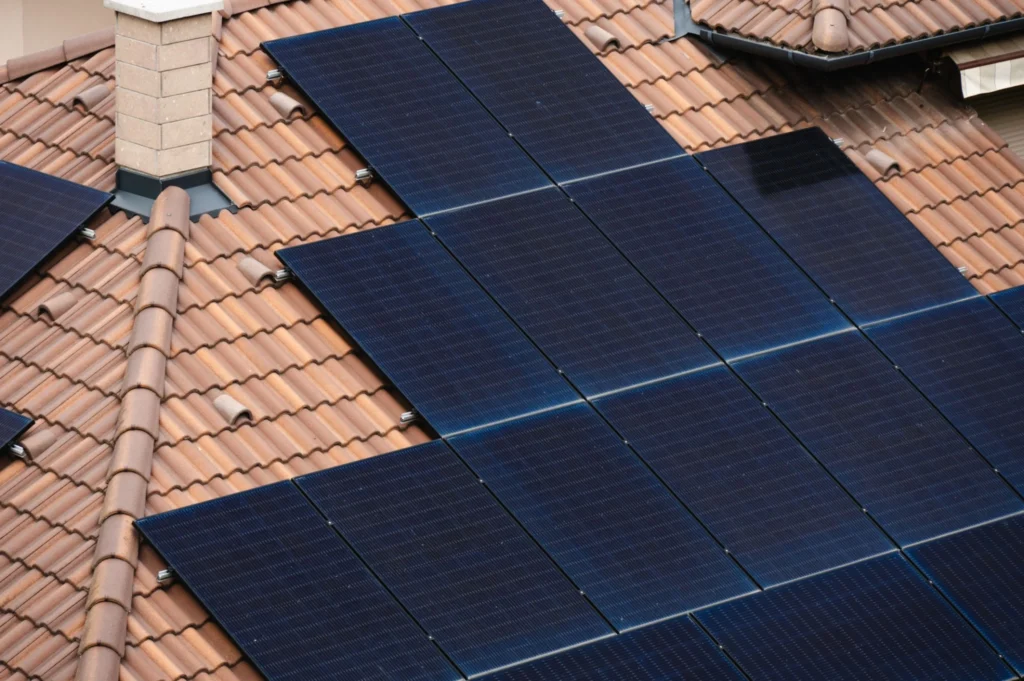 Solar integrated tiles blend traditional roofing with solar power. They look like regular clay or concrete tiles, but each one has tiny solar cells built in. The homeowner gets the classic tile look and generates electricity at the same time. Roofing and renewable energy in one product.
These are gaining ground in California thanks to its solar building rules, and spreading into Texas, Nevada, and Florida as homeowners do the long term math. They cost more, but for eco conscious buyers, the investment adds up.
Advanced installs like these mean detailed proposals and a longer sales cycle with more follow up. Knockio keeps that whole pipeline visible. Build the complex estimate with line items the homeowner can review, track where the deal sits using custom statuses, and set automated follow ups so a high consideration lead never goes cold. When the customer is ready, the signed estimate flows straight into a work order for the crew.
Solar integrated tiles blend traditional roofing with solar power. They look like regular clay or concrete tiles, but each one has tiny solar cells built in. The homeowner gets the classic tile look and generates electricity at the same time. Roofing and renewable energy in one product.
These are gaining ground in California thanks to its solar building rules, and spreading into Texas, Nevada, and Florida as homeowners do the long term math. They cost more, but for eco conscious buyers, the investment adds up.
Advanced installs like these mean detailed proposals and a longer sales cycle with more follow up. Knockio keeps that whole pipeline visible. Build the complex estimate with line items the homeowner can review, track where the deal sits using custom statuses, and set automated follow ups so a high consideration lead never goes cold. When the customer is ready, the signed estimate flows straight into a work order for the crew.
14. Tar and Gravel Roofing
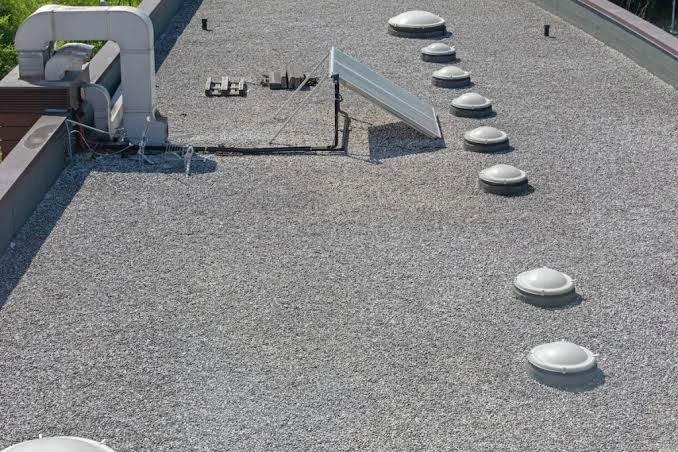 The built up roof, or BUR, is a classic for flat and low slope surfaces. Also called a tar and gravel roof, it is made by layering asphalt and fabric, then topping it with gravel to block the sun. People have used these for over a hundred years, and you still see them on industrial and commercial buildings.
BUR roofs are common in Florida, Texas, and California, mostly on commercial plazas and apartment blocks. They are tough and weather resistant, though heavy and a bit messy to install. The payoff is a solid lifespan, often 20 to 30 years.
Commercial roofing runs on margins and repeat maintenance, so knowing which work actually pays is half the battle. Knockio’s job and financial records help a company see the full picture: what each commercial roof brought in through invoices and payments, and which buildings are due for recurring service. That kind of visibility helps you chase the profitable work instead of guessing.
The built up roof, or BUR, is a classic for flat and low slope surfaces. Also called a tar and gravel roof, it is made by layering asphalt and fabric, then topping it with gravel to block the sun. People have used these for over a hundred years, and you still see them on industrial and commercial buildings.
BUR roofs are common in Florida, Texas, and California, mostly on commercial plazas and apartment blocks. They are tough and weather resistant, though heavy and a bit messy to install. The payoff is a solid lifespan, often 20 to 30 years.
Commercial roofing runs on margins and repeat maintenance, so knowing which work actually pays is half the battle. Knockio’s job and financial records help a company see the full picture: what each commercial roof brought in through invoices and payments, and which buildings are due for recurring service. That kind of visibility helps you chase the profitable work instead of guessing.
15. Premium Wood Shake Roofing
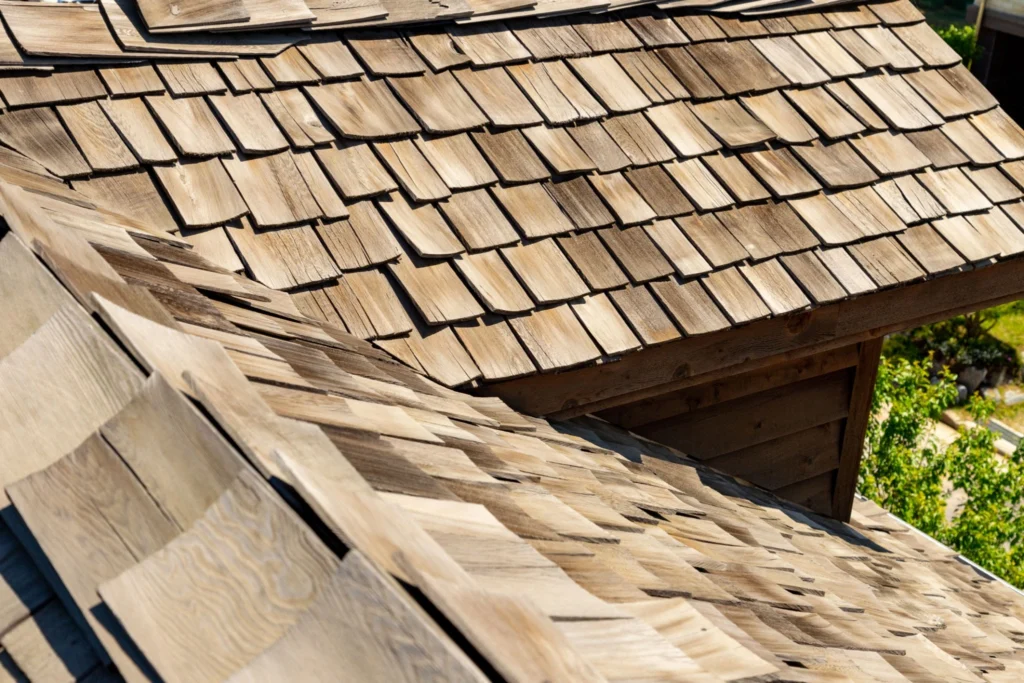 Wood shake deserves a second mention because the high end versions, like hand split cedar or redwood, bring a texture and depth you just do not get from synthetics. They are thicker and more rugged than machine cut shingles, giving a roof that warm, earthy, upscale feel.
These are common in Washington, Colorado, and Idaho, where mountain architecture leans into natural beauty. Many local codes now require treated or fire resistant shakes. The price is high, but homeowners chasing authenticity often see it as money put into curb appeal and resale value.
High ticket quotes need to look as polished as the product. With Knockio, you present a clean, itemized estimate, let the homeowner accept and sign digitally, and skip the back and forth of printed contracts. The signed quote becomes the job’s foundation, with everything that follows, schedules, crew notes, and the final invoice, attached to the same record.
Wood shake deserves a second mention because the high end versions, like hand split cedar or redwood, bring a texture and depth you just do not get from synthetics. They are thicker and more rugged than machine cut shingles, giving a roof that warm, earthy, upscale feel.
These are common in Washington, Colorado, and Idaho, where mountain architecture leans into natural beauty. Many local codes now require treated or fire resistant shakes. The price is high, but homeowners chasing authenticity often see it as money put into curb appeal and resale value.
High ticket quotes need to look as polished as the product. With Knockio, you present a clean, itemized estimate, let the homeowner accept and sign digitally, and skip the back and forth of printed contracts. The signed quote becomes the job’s foundation, with everything that follows, schedules, crew notes, and the final invoice, attached to the same record.
Roofing Preferences Across the US States
Families across the country lean toward different roofs for good reasons. In Florida, homeowners favor tile and metal to handle hurricanes and salty air. California mixes clay tile with solar, blending Spanish style and clean energy. Texas is split. Houston runs humid while El Paso stays dry, so families choose between metal and asphalt depending on where they live. Delaware keeps it classic with asphalt and slate. Arizona and Nevada reach for tile and solar to beat the heat. In the rainy Northwest, Washington and Oregon go with composite or treated wood to fight moss. Up north in New York and Vermont, slate and quality asphalt help homes stand up to heavy snow. Every state picks its roof based on weather and lifestyle. If you run a roofing company looking to grow into new areas, knowing these regional patterns is a real advantage. Knockio helps here in a grounded way. With the map view, you can see exactly where your jobs sit across a territory, which areas you have covered, and where reps still need to knock. Pre knock homeowner data and assigned areas mean two reps never show up at the same house, and managers can spot a thin coverage area before the day slips away.Regional Popularity of Roofing Types in the USA
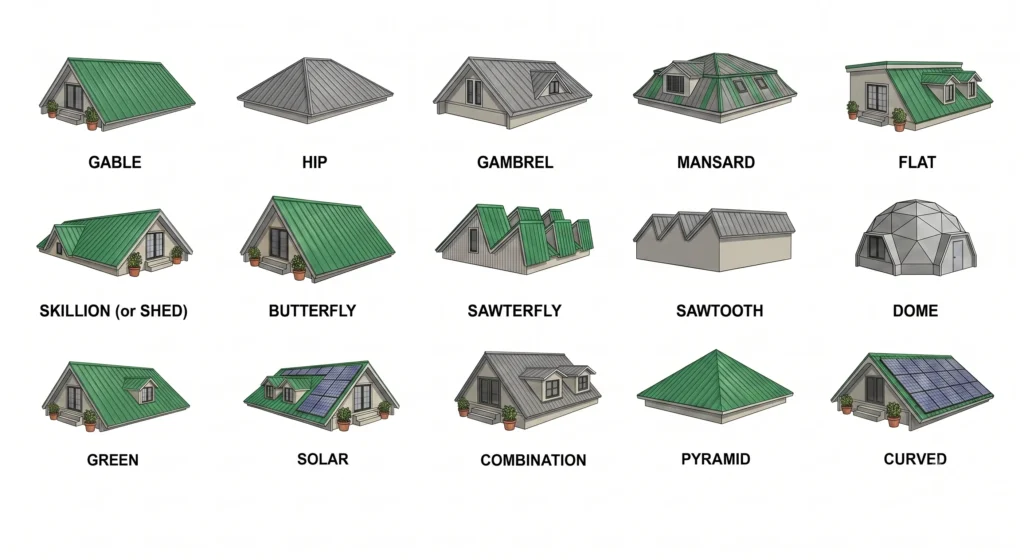 Here is a little breakdown of what kind of roofs you can expect to see all across the U.S:
| State | Most Popular Roofing Types | Reason / Notes |
|---|---|---|
| Alabama (AL) | Asphalt shingles, metal roofs | Great for muggy summers; metal is gaining popularity for energy savings. |
| Alaska (AK) | Metal roofs, asphalt shingles | Metal holds up well against snow and lasts longer in cold weather. |
| Arizona (AZ) | Clay tile, concrete tile, solar roofs | Hot desert climate; tile and solar systems dominate. |
| Arkansas (AR) | Asphalt shingles, metal roofs | Affordable and stands up to heavy rains and moderate storms. |
| California (CA) | Clay tile, composite shingles, solar-integrated roofs, metal | Mediterranean architecture; energy codes push solar; coastal areas favor composites as they don’t wear down that easily. |
| Colorado (CO) | Metal, asphalt, and synthetic shingles | Withstands hail, snow, and high-altitude UV exposure. |
| Connecticut (CT) | Asphalt, slate, wood shakes | It suits historic architecture and cold winters; slate and wood can be found on older homes. |
| Delaware (DE) | Slate, asphalt, premium shingles | Mid-Atlantic weather; mix of historic and modern homes. |
| Florida (FL) | Metal, clay/concrete tile, asphalt shingles, flat roofs | Hurricane-prone; materials must handle heat, wind, and salt air. |
| Georgia (GA) | Asphalt, metal, tile | Asphalt is common; higher-end homes use metal and tile for style and durability. |
| Hawaii (HI) | Metal, asphalt, concrete tile | Humid tropical climate; corrosion-resistant metals and tiles are preferred by homeowners. |
| Idaho (ID) | Asphalt, metal, and wood shakes | Cold winters, mountain areas use wood or metal for a natural look and strength. |
| Illinois (IL) | Asphalt, metal, slate | Cold winters and storms require tough, insulated materials. |
| Indiana (IN) | Asphalt, metal | Cost-effective and reliable for mixed seasonal weather. |
| Iowa (IA) | Asphalt, metal | Handles hail and strong winds really well; metal roofs’ popularity is increasing. |
| Kansas (KS) | Asphalt, metal | Prone to tornadoes; durable materials required. |
| Kentucky (KY) | Asphalt, metal, wood | Traditional mix: wood in rural homes, asphalt in suburban areas. |
| Louisiana (LA) | Asphalt, metal, flat roofs | Hot, humid, and hurricane-prone; metal preferred for wind and moisture resistance. |
| Maine (ME) | Asphalt, slate, metal | Withstands snow and freezing temperatures; slate for historic homes. |
| Maryland (MD) | Asphalt, slate, composite | Mix of climates; slate is common in older neighborhoods. |
| Massachusetts (MA) | Asphalt, slate, synthetic | Northeast weather with snow and rain; slate for heritage homes. |
| Michigan (MI) | Asphalt, metal | Heavy snow and ice demand strong, waterproof materials. |
| Minnesota (MN) | Metal, asphalt | Cold and snowy; metal roofs resist ice and last longer. |
| Mississippi (MS) | Asphalt, metal | High humidity and storms make corrosion-resistant roofs ideal. |
| Missouri (MO) | Asphalt, metal | Tornado and hail zones favor durable metal systems. |
| Montana (MT) | Metal, wood shakes | Mountain weather with snow and wind; rustic designs are common. |
| Nebraska (NE) | Metal, asphalt | Hail-prone plains; homeowners prefer strong, impact-resistant materials. |
| Nevada (NV) | Concrete tile, clay tile, solar, metal | Hot and dry; energy efficiency and tile styles dominate. |
| New Hampshire (NH) | Asphalt, slate, metal | Classic New England mix for snow and heritage appeal. |
| New Jersey (NJ) | Asphalt, slate, synthetic | Strong seasonal changes; many homes use architectural asphalt shingles. |
| New Mexico (NM) | Clay tile, flat roofs, solar | Southwestern design; solar and stucco-compatible flat roofs are common. |
| New York (NY) | Slate, asphalt, premium shingles | Snowy winters; older homes maintain slate for authenticity. |
| North Carolina (NC) | Asphalt, metal, tile | Coastal and mountain mix; metal roofs expanding inland. |
| North Dakota (ND) | Metal, asphalt | Hurricane-prone materials must handle heat, wind, and salt air. |
| Ohio (OH) | Asphalt, metal | Mixed weather; asphalt dominates, but metal is gaining traction. |
| Oklahoma (OK) | Asphalt, metal | Tornado region; strength and fast replacement valued. |
| Oregon (OR) | Composite shingles, metal, wood | Rainy Pacific Northwest climate; rot-resistant materials preferred. |
| Pennsylvania (PA) | Asphalt, slate, metal | Mix of old and new architecture; slate on older row homes. |
| Rhode Island (RI) | Asphalt, slate | Salt air and snow; asphalt preferred for cost, slate for luxury. |
| South Carolina (SC) | Asphalt, metal | Hot and humid; reflective metal roofs are popular near coasts. |
| South Dakota (SD) | Metal, asphalt | Handles snow, ice, and strong winds efficiently. |
| Tennessee (TN) | Asphalt, metal | Balanced climate; both affordable and durable options are used. |
| Texas (TX) | Asphalt, metal, tile | Massive climate variety; storms favor metal, while upscale homes use tile. |
| Utah (UT) | Asphalt, metal, tile | High UV exposure and snowfall; strong roofs are a must. |
| Vermont (VT) | Slate, asphalt, metal | Cold, snowy, historic homes maintain slate traditions. |
| Virginia (VA) | Asphalt, slate, metal | Mix of heritage homes and modern builds. |
| Washington (WA) | Composite shingles, metal, wood | Wet, windy conditions; composite roofs resist moss and rot. |
| West Virginia (WV) | Asphalt, metal | Budget-friendly roofing dominates rural areas. |
| Wisconsin (WI) | Metal, asphalt | Snow-heavy winters; metal’s strength and insulation are valued. |
| Wyoming (WY) | Metal, asphalt, wood | Harsh winters and strong winds; durable and rustic styles prevail. |
| District of Columbia (DC) | Flat roofs, asphalt, slate | A cold, windy climate favors durable metal installations. |
References
Choosing the Right Roof: What Really Matters
Picking a roof starts with a few honest questions. What does it cost? How long will it last? How does it look? Will it help the home’s value? But often the weather makes the call for you. Hot, sunny states lean toward heat reflecting roofs like metal or tile. Cold places need materials that handle snow and ice without cracking. Flat roofs suit modern homes and commercial buildings, but only with proper drainage. Budget shapes the rest. Asphalt stays the most popular because it is affordable, while slate and copper are reserved for high end work. More homeowners are also asking about energy savings, which is why solar integrated roofs keep gaining ground each year. For a roofing company, laying all these options in front of a homeowner without a system gets messy fast. This is where one connected platform pays off. Whether the job is a ten thousand dollar asphalt re-roof or a sixty thousand dollar solar install, Knockio keeps the estimate, the schedule, the payment, and every note on the same job record. The homeowner sees a clean, professional process, and your office sees exactly where the money and the work stand.The Role of Smart Roofing Software in Today’s Market
Roofing today is about more than shingles and tiles. It is about keeping teams organized and jobs moving. The best companies know that good systems matter as much as good craftsmanship. That is the real argument for Knockio, and it is a simple one. Most roofing companies run their business across five to ten disconnected tools: one for leads, one for quotes, one for payments, a spreadsheet for crews, another for follow ups. Knockio pulls those into one system. Reps and managers see leads, assigned territories, and rep activity on a map. Estimates turn into signed digital contracts in minutes. Payments come in through text to pay, tap to pay, credit card, ACH, or get entered manually for the books, and the job record updates either way. Sold work becomes work orders, schedules, and crew notes. And the activity history on each job means nobody has to ask what happened last week. The analytics show which products, territories, and sales strategies actually perform. California is the largest single state market for solar roofing in the country, driven largely by its Title 24 building code, which has required solar generation on new residential construction since 2020. Durable materials like metal keep gaining ground too, especially in storm-prone states such as Texas and Florida. Track those regional trends against close rates and revenue, and a roofing company can make decisions off real numbers instead of gut feel.Final Thoughts
There is a lot of variety in American roofing, and what works beautifully in one state can fail in another. Every material, from the budget asphalt shingle to the century lasting slate to the storm proof metal panel, earns its place for a reason. Homeowners pick the one that fits their budget, survives their weather, and gives the home the look they want. Slate gives old New York homes their character. Metal holds firm through Florida storms. Solar roofs keep spreading across California. When people understand their options, they stop guessing and start investing in something built to last. And for anyone running a roofing business, knowing these local tastes, and tracking them with good software, is a real edge. Here is the bottom line. A roof is not just material. It is security and trust. Delivering on that promise gets a lot easier when your whole operation, from the first knock to the final payment, runs in one place instead of ten. That is the job Knockio’s Roofing CRM Software is built to do.
Waqar Hussain leads SEO and digital media at Knockio, a field sales and field service management (FSM) platform for businesses managing sales reps, field teams, jobs, and customer appointments. He focuses on content strategy, search growth, and digital media to help more teams discover better ways to manage leads, jobs, and field operations.