Selling Solar Panels: A Comprehensive Guide for Success in a Solar Market

The solar energy industry is growing faster than ever! It took 50 years for America to reach 5 million solar installations, but it will only take 6 more years to reach 10 million. By 2030, the number of solar installations in the U.S. will double, and by 2034, it will triple!

For the first time, solar power made up over half of all new electricity added in 2023. By 2050, it’s expected to be the biggest source of electricity in the U.S. Solar energy also creates jobs—more than 263,000 across the country.

Selling solar panels is a great opportunity. It is a growing industry but comes with challenges like tough competition and long sales processes. You need clever strategies, helpful tools, and a positive attitude to succeed.

By understanding why more people want solar energy and using smart sales tips. One can help more people choose solar power and grow their businesses. Remember, the future is bright for solar panel sales.

Why Are Solar Panels in High Demand?

Understanding what fuels the growth of solar energy is essential for crafting effective sales strategies. Here are the four main reasons solar panels are skyrocketing in popularity:

1. Rising Energy Costs

Energy costs have been going up, making it harder for families and businesses to manage their budgets. Solar panels can help with this problem. By making their electricity, homeowners can rely less on utility companies and save money. On average, homes with solar panels save around $1,500 a year on energy bills. This big saving is why more and more people are choosing solar panels every day.

2. Decreasing Solar Panel Prices

The cost of installing solar panels has dropped by over 70%, and the cost of batteries by 90%. This is why many people are adding solar panels to their homes. Solar systems are now easier to afford than ever before. Lower costs mean more families can switch to solar energy without spending too much money. Plus, homes with solar panels sell for about 4.1% more than homes without them, which is a great extra benefit.

3. Government Incentives and Legislation

Governments around the world, especially in the U.S., are helping people switch to solar energy. Programs like the Inflation Reduction Act let homeowners save money by taking 30% of their solar installation costs off their federal taxes. These kinds of savings make solar energy more affordable and a great choice for many families.

4. Growing Awareness of Sustainability

Solar power is no longer viewed as a niche option for the environmentally conscious. It has gone mainstream. People are drawn to the idea of reducing their carbon footprint and contributing to a cleaner planet, especially when they can save money in the process.

5. Reliable and Resilient Power Supply

One of the best things about solar energy is that it gives you a reliable and strong power supply. Unlike regular electricity, which can stop working during power outages, solar panels with batteries keep providing energy. Solar systems work even during emergencies or when the power grid is down. This is especially helpful during bad weather or times when there’s too much demand on the grid. With solar power, homeowners and businesses can feel confident knowing they have their own source of electricity to keep important devices running and lights on. Solar energy gives you control and steady power when you need it most.

How to Sell Solar Panels Successfully

Selling solar panels requires more than just a good product. It demands a combination of technical knowledge, sales expertise, and the ability to connect with customers on a personal level. Here are actionable strategies to boost your success.

Selling solar panels is a great way to help people save money and protect the planet. More and more people are choosing solar energy because it’s good for the environment and can lower electricity bills. If you want to sell solar panels successfully, here’s a simple guide to get you started:

1. Learn About Solar Panels

Before you sell solar panels, it’s important to know how they work and what kinds are available.

  • Solar panels turn sunlight into electricity, which can power homes and businesses.
  • There are different types of solar panels, and each type has its own benefits.

You can find information online or at your local library. When you know your product well, you’ll be ready to answer any questions buyers might have.

2. Define Your Ideal Customer

Who is most likely to buy solar panels from you? Identifying and targeting your ideal customer is crucial. Consider these factors:

  • Residential vs. Commercial: Are you focusing on homeowners or businesses? Residential projects tend to have shorter sales cycles, while commercial installations are often larger but more complex.
  • Ownership: Homeowners are easier to sell to than renters. In commercial settings, owner-occupied buildings are ideal, followed by single-tenant properties.
  • Financial Standing: Ensure your prospects can afford solar panels, either through savings or financing options.

Understanding your target audience allows you to craft personalized pitches that resonate with their specific needs.

3. Find Your Customers

Look for the places where your customers might be:

  • For homeowners, try setting up a booth at a home improvement store or a green fair.
  • For businesses, attend trade shows or events that focus on eco-friendly products.

By being in the right place, you’ll meet more people interested in solar panels.

Don’t waste time chasing leads that won’t convert. Use tools like sales mapping software to find the best potential customers by looking at their location, property type, and how much sunlight they get. Focus on areas with strong solar potential and reach out to homeowners or business owners who would benefit the most from solar energy.

4. Price Your Solar Panels Right

Solar panel prices have dropped a lot in recent years, which means more people can afford them.

  • Research prices online to see what other companies charge.
  • Make sure your prices are fair and competitive so customers will choose you.

5. Offer Incentives

The upfront cost of solar panels can be high, so offering extra perks can encourage people to buy. Solar panels may be more affordable, but they still represent a significant investment for most homeowners. Tax credits and incentives help offset these costs, making them an essential part of your sales pitch.

However, these benefits vary by region and change frequently. Stay updated on the latest policies so you can educate your prospects.

  • You could offer rebates (money back after they buy) or explain tax credits (money they can save on taxes).
  • These incentives make solar panels more affordable for customers.

6. Use Selling Software

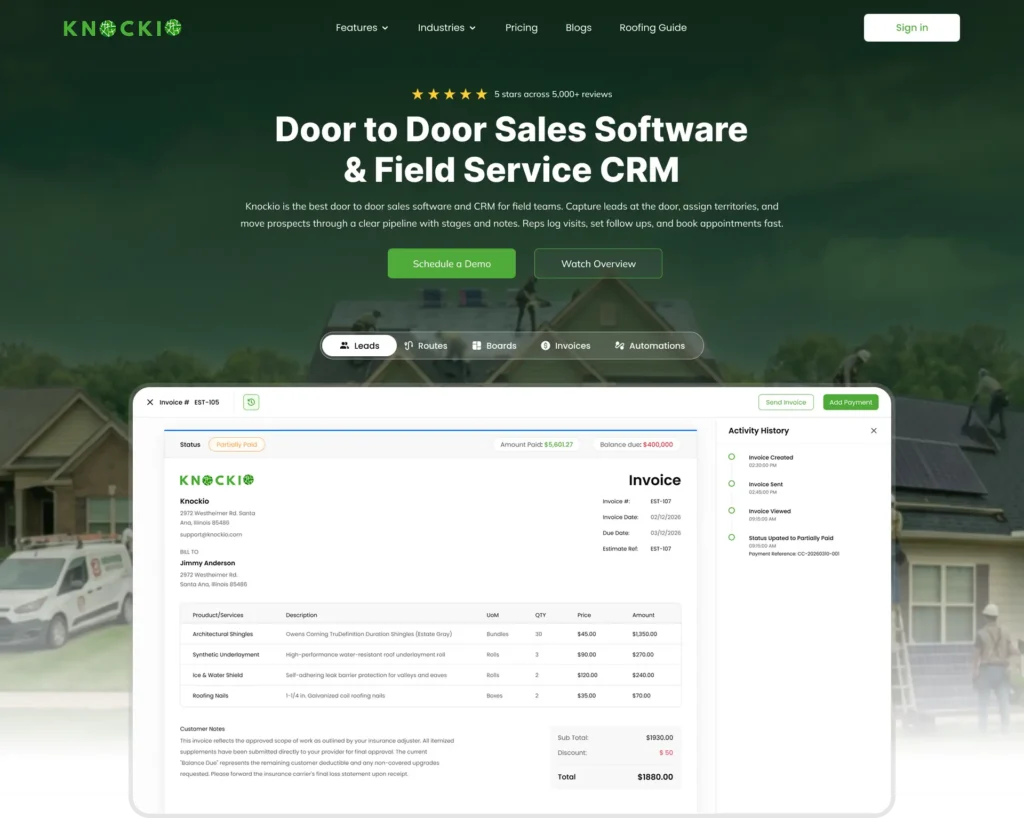
Selling software like Knockios solar sales app can help you stay organized and work more efficiently.

  • Selling tools can track your customers, schedule follow-ups, and create professional proposals.
  • Popular solar software like Knockio can help with things like creating quotes, managing customer relationships (CRM), and even door-to-door sales.

If you don’t already use solar software, check it out—it can make your work easier!

7. Promote Your Business

Let people know about your solar panels using smart marketing strategies:

  • Word of Mouth: Ask happy customers to tell their friends.
  • Online Ads: Share your services on social media or through online ads.
  • Traditional Ads: Use flyers, posters, or local radio stations to reach more people.

Make sure people understand the benefits of solar energy so they feel confident about their decisions.

4. Create a Value-Based Pitch

A strong sales pitch doesn’t just focus on features—it highlights value. Every great pitch answers three questions:

  1. Why should I buy this product? Explain how solar panels save money, increase property value, and benefit the environment.
  2. Why should I buy it now? Emphasize time-sensitive factors, such as expiring government incentives or limited-time promotions.
  3. Why should I buy from you? Showcase your competitive advantages, like superior customer service, better financing options, or exclusive technology.

5. Embrace Canvassing and Re-Canvassing

Door-to-door canvassing remains one of the most effective ways to connect with potential solar customers. But don’t stop after one round. Re-canvassing neighborhoods allows you to follow up with people who were hesitant the first time. It also gives you a chance to share success stories from your neighbors who have already installed solar panels.

6. Use a Multi-Channel Sales Process

Different customers prefer different communication methods. Some might want face-to-face interactions, while others prefer emails or phone calls. Adopt a multi-channel sales approach to cater to all preferences. This flexibility increases your chances of closing deals.

7. Automate Repetitive Tasks

Your sales team’s time is valuable. Using tools to handle simple tasks like sending follow-up emails or entering data can save time. This gives you more time to focus on important things, like learning about your customers. Tools like Knockio CRM and automation software can help you work faster and get more done, making your team over 40% more productive.

8. Track Sales Metrics and Performance

Monitoring your team’s performance helps identify areas for improvement. Use tracking tools to measure key metrics like close rates, response times, and follow-up activity. Analyzing this data enables you to coach your reps more effectively and refine your strategies.

9. Prepare for Objections

Objections are part of the sales process. Common ones include concerns about cost, installation logistics, and system reliability. Equip your team with well-thought-out responses to these objections. For example:

  • Cost Concerns: Highlight long-term savings and financing options.
  • Installation Worries: Explain your streamlined process and quick turnaround times.
  • Reliability Doubts: Share reviews and case studies that prove solar panels’ durability and efficiency.

10. Always Follow Up

Selling solar panels often involves long decision-making processes. Regular follow-ups keep prospects engaged and demonstrate your commitment. Use many channels—emails, phone calls, text messages, and in-person visits—to stay top of mind. Social media paid campaigns are also playing a vital role these days.

The Role of Technology in Solar Sales

Technology is transforming the way solar panels are sold. From prospecting tools to sales automation, leveraging the right technology can give you a significant edge.

1. Sales Mapping Software

Identify high-potential areas and streamline your team’s canvassing efforts. Mapping software allows you to visualize existing customers and uncover opportunities for referrals.

2. Customer Relationship Management (CRM)

A solar-focused CRM system ensures your team has access to up-to-date customer information. It also facilitates seamless communication, appointment scheduling, and performance tracking.

3. Sales Automation Tools

Automate repetitive tasks like logging interactions, sending follow-ups, and generating reports. This saves time and ensures consistency across your team.

The Future of Solar Sales

The solar industry is growing fast and isn’t slowing down. To succeed, businesses need to adjust to changing markets, use the latest technology, and focus on what customers want. By learning why people choose solar power and following the tips shared above. You can set yourself up for success in this exciting and expanding field.

Selling solar panels isn’t just about earning money. It’s about helping people save on energy costs, make their homes more valuable, and protect the planet. With the right plan, you can do all this while building a successful business!


Syed Junaid

Written by

Syed Junaid

Marketing Lead & Content Strategist at Knockio

Syed Junaid is the Marketing Lead & Content Strategist at Knockio, where he helps field sales and service businesses eliminate software bloat and scale their operations. He writes about B2B SaaS growth, field sales strategies, and how contractors can eliminate the “Duct-Tape Tax” to run more profitable businesses.
7 Tips for a Successful Roofing Sales Pitch with Examples and Tips

Door-to-door sales are when you knock on people’s doors to sell a product or service. It’s a way of reaching out to customers at their doorstep. Every roofing services sales rep wants to close more deals. But sales is not an easy game and certainly not for everyone. If your team is not producing good results, then it is wise to give them sales training. At Knockio an affordable door to door sales app, we are helping different businesses involved in outdoor sales to produce more results by training them through articles and videos. This article is about how to prepare the best door-to-door roofing sales pitch for closing more deals.

Understanding Roofing Services

Roofing services are an important factor for houses, especially in the Western world. We all need these services when our roof needs repairing. Roofs protect us from rain, snow, and even on sunny days. But sometimes, roofs can get old and have holes, leaks, and other problems due to the roofing structure that follows in the West. That’s when people need roofing services done by roofing contractors.

Roofing services fix problems with roofs, like leaks or missing tiles. They can also replace old roofs with new ones to keep the house safe. So, when you offer roofing services, you’re helping people to take care of their homes. This is why roofing services are still relevant and in demand.

Tips for Roofing Sales Pitch That Close Deals

How to Make a Great Roofing Sales Pitch: Easy Tips for Success

When selling a roof, especially if you’re going door to door, it’s important to follow key steps to make a great impression. Here’s a simple guide to help you create a strong pitch, earn trust, and help more people choose your roofing company.

Build Trust with the Homeowner

Before entering the roofing sales process, start by building trust. Many homeowners feel nervous about big projects like roof repairs. Show them you’re honest and want to help by listening to their needs. Get to know what they’re worried about and make them feel like they’re more than just another sale. They’ll feel more comfortable working with you if you show them you care. Be transparent in your communication and clear customers’ doubts.

Understand Their Needs and Problems

One of the most helpful roofing sales tips is to identify the homeowner’s “pain points”—or what’s bothering them about their current roof. When you understand their specific problem, you can offer solutions that feel personal and valuable to them. This makes it easier to connect with them and answer their exact questions about how to sell a roof door to door. The more you know about their needs, the easier it is to give a helpful, personalized door-to-door roofing sales pitch.

Preparing Yourself

Before you start knocking on doors, it’s important to get ready with your marketing message. You should prepare yourself to explain your services with the best door-to-door roofing sales pitch. First, make sure you know everything about the roofing service you’re offering. Practice what you want to say, repetition breeds proficiency. It helps you feel more confident when you talk to potential customers. You can practice with a friend or family member to make it smooth. Remember, the more you refine your pitch, the more adept you’ll become at articulating the value of your roofing services. So, get ready, practice, and you’ll be all set to knock on doors with confidence to sell your roofing contracts.

Use Friendly Approach

When you knock on someone’s door, always portray a friendly smile and be polite. You can start by introducing yourself, like saying, “Hi, my name is Alex.” Then, explain why you’re there. You can say something like, “I’m here to talk to you about our roofing services.” After that, it’s good to ask if they’re interested in hearing more. You could ask, “Would you like to listen to how we can help with your roof?” Being polite and respectful is important when talking to people, so make sure to be kind and patient. That way, even if they’re busy or not interested, they’ll appreciate your friendly approach. People do not refuse smiley faces.

Show What Makes Your Company Special

In every door-to-door sales pitch, you need to explain why your roofing company stands out. This is where your roofing sales pitch should highlight your company’s best features, like quality materials, fast service, or great customer care. This can be a powerful part of your pitch. Make it clear why they should pick your company over others!

Engaging Your Audience

It’s important to pay attention to what the homeowner says when you talk to them. If they seem busy or not interested, that’s okay! Be polite and say something like, “Thank you for your time,” before moving on. But if they seem interested and want to hear more, that’s great! That’s when you can start telling them about your roofing services. Remember, listening and being respectful is key to making a good impression, whether they’re interested or not. So, always be friendly and understanding when talking to people.

Presenting Your Offer

When you talk about your roofing service, make sure to explain what it does in a simple way. You can say something like, “Our roofing service helps fix any problems with your roof, like leaks or missing tiles.” Then, tell them about the benefits. For example, you could say, “Having a strong roof keeps your home safe from bad weather, like rain and snow. It also makes your house worth more money if you ever want to sell it.” If you have any pictures or examples of roofs you’ve worked on before, show them! It helps people see what you can do and feel more confident in choosing your service.

So, make sure to share all the good things about your roofing service to make them interested!

Create Urgency (Why They Should Act Now)

Many people don’t realize the problems that come with ignoring a damaged roof. Explain why it’s important to fix the roof now and how delaying repairs can lead to bigger issues. This makes your door-to-door roofing sales pitch stronger by adding urgency. Make sure to balance this with a friendly, informative tone—pressuring too much can scare customers off!

Handling Objections

Sometimes, people might say no or have worries about your roofing service. It’s important to listen carefully to what they say. If they have concerns, try to understand them and address them politely. You could say something like, “I understand your worries. Let me explain how our roofing service can help address those concerns.” It’s important to be honest about what your service can and can’t do. If you can’t solve their problem, it’s okay to say so. Being respectful and understanding goes a long way in helping people feel comfortable with your service. So, always listen carefully and respond politely to any objections they have.

Closing the Sale

If the homeowner seems interested in your roofing service, it’s time to ask if they’d like to sign up for a contract. You can say something like, “Would you like to go ahead and schedule our roofing service?” Make it easy for them to say yes by being friendly and helpful. If you have any special deals or discounts, don’t forget to mention them! For example, you could say, “We’re currently offering a special discount for new customers.” Offering deals or discounts can encourage them to say yes. Remember, the key is to make the process smooth and hassle-free for the homeowner.

So, be confident, ask for the sale, and make sure to provide any extra incentives to seal the deal!

Follow-up and Customer Care

After making a sale, thank the customer. Make sure they know how to contact you if they have any problems or questions. Good customer service is important.

Remember, door-to-door sales can be challenging, but you can succeed with practice and a positive attitude!

Modern Roofing Sales Techniques

The way we sell has changed a lot over the years. People today might be more cautious and hesitant. However, curiosity still plays a big role; a lot of homeowners still listen when a friendly salesperson knocks at their door. Try not to seem like just another salesperson by using some newer techniques in your roofing sales training. Here are some important strategies for roofing sales:

  1. Make a Good First Impression: The act of knocking on a door already gets attention. Dress neatly, smile, and greet them politely so they feel comfortable. Avoid wearing anything that might make you look unprofessional.
  2. Personalize Your Pitch with Local Details: People are more likely to listen if you relate to their neighborhood. Mention local roofing concerns (like summer heat damage) as part of your door-to-door roofing sales pitch script.
  3. Respect Their Values: When talking to homeowners, remember that they care about things like pets, kids, or the environment. Respect what’s important to them; it makes them feel valued.
  4. Know When to Move On: Not everyone is the right customer. The roofing sales process isn’t perfect, so don’t take rejection personally. Use the “Some Will, Some Won’t. So What! Who’s Next?” approach to staying positive.

Formula for a Successful Roofing Sales Pitch

  • Introduction:

Start with a friendly greeting and introduce yourself.

  • Problem Identification:

Ask if they’ve noticed any issues with their roof, like leaks or missing shingles.

  • Solution Presentation:

Explain how your roofing service can fix their roof problems and keep their home safe.

  • Benefits Highlight:

Share the benefits of a well-maintained roof, like staying dry during rainy days and keeping the house cozy.

  • Visual Aids:

Use simple pictures or drawings to show what you can do for their roof.

  • Engagement:

Ask if they have any questions or if there’s anything specific they want to know about roofing.

  • Closing:

Offer a special deal or discount to encourage them to choose your service.

  • Thank You:

Always thank them for their time, whether they decide to go with your service or not.

Remember, being polite and friendly is key to a successful pitch!

Roofing Sales Pitch Examples

  1. Example 1: “Hi there! I’m Sarah from Alpha Roofing. I noticed your roof might need fixing, and I’m here to help. Our roofing service is all about keeping homes dry and safe. We’re experts at repairing leaks and damages. And guess what? When you invest in our service, your home’s value goes up too! How about we schedule a free check-up to see how we can help?”
  2. Example 2: “Hey homeowners! Are you tired of worrying about your roof whenever it rains? I’m Alex, and I work with ABC Roofing. Our team is good at fixing roofs so you can relax. From small repairs to big changes, we’ve got it covered. We use strong materials and have skilled workers who make sure your roof can handle anything. Let’s work together to keep your home safe!”
  3. Example 3: “Good morning! I’m here to tell you about XYZ Roofing. Did you know that taking care of your roof can save you money? Our team knows all about roofs and how to keep them in great shape. Whether it’s a tiny leak or a whole new roof, we can do it! And the best part? We have good prices and ways to pay that make it easy for you. Let’s talk about how we can make your home safer and worth more!”
  4. Identifying a Problem Pitch: “Hi there! I’m with [Your Company], and I’m noticing some roofs in the area may be impacted by this hot summer. Have you noticed any issues with your roof that we might be able to help with?”
  5. Highlighting Quality and Care Pitch: “Our company has helped hundreds of people in this community with long-lasting roofs. We only use top-quality materials to ensure that your new roof can withstand anything. Can we take a quick look to see how your roof is holding up?”
  6. Creating Urgency Pitch: “Hi! I wanted to stop by because I noticed some homes in your area are showing signs of damage from last season. Did you know waiting to repair could lead to costly water leaks?”

Roofing Market Potential

US Roofing Market Highlights

Market Size:

The Current US roofing market is about $27.46 billion in 2023, and it is expected to grow by 42.66 Billion in 2033 with a CAGR of 4.5%. (Source: https://www.sphericalinsights.com/reports/united-states-roofing-market)

Key Drivers:

Aging infrastructure, severe weather events, and rising disposable income are major contributors. (Source: https://www.ibisworld.com/united-states/market-research-reports/roofing-contractors-industry/)

Product Trends:

Asphalt shingles remain dominant, but metal roofs and synthetic underlayment are gaining traction. (Source: Roofing Contractor Magazine, February 2024: https://www.roofingcontractor.com/)

Regional Variations:

The South and West are anticipated to see the most growth, followed by the Midwest and Northeast. (Source: Freedonia Group, September 2023: https://www.freedoniagroup.com/industry-study/us-roofing)

Conclusion:

The US roofing market has a lot of growth potential. There’s plenty of opportunity for roofing companies to get more customers. Making good sales pitches, and talking nicely to potential customers. Whether they’re fixing common roof problems or explaining why a strong roof is so good, It can help sell more. So, with a good understanding of what people need and believing in their services, roofing salespeople can feel confident going door to door and getting more customers in the roofing business. Using Technology like a Knockio app can also help you in your roofing lead success. Every pitch in this guide only pays off if the follow-up actually happens, and that’s the job of roofing sales and CRM software: keep the lead, the notes, and the next call in one place after you walk away from the door.

If you want to keep improving, use these roofing customer service tips to give the best experience to each person you meet. Try out different pitches, learn from each interaction, and find what works best for you. With patience and practice, you’ll be able to help more people keep their homes safe, one roof at a time!

Read now: Solar Sales Pitch Scripts with Examples


Syed Junaid

Written by

Syed Junaid

Marketing Lead & Content Strategist at Knockio

Syed Junaid is the Marketing Lead & Content Strategist at Knockio, where he helps field sales and service businesses eliminate software bloat and scale their operations. He writes about B2B SaaS growth, field sales strategies, and how contractors can eliminate the “Duct-Tape Tax” to run more profitable businesses.

10 Best Sales Mapping Software Tools For 2024-2025

If you run a field sales team, you’ve probably lived through this chaos: a lead list here, a spreadsheet there, and a map in another tab. Messy, right? Sales mapping software pulls it all together. It plots customers and prospects on an interactive map, lets you draw clear territories, balance workloads, avoid overlap, and build smart routes, so reps spend less time in traffic and more time closing deals.

In this guide, we’ll break things down in plain English. You’ll see how sales mapping actually works, which features are worth caring about, and which tools are worth a look. We’ll also share simple tips for selecting the right software for your team, as well as a few common mistakes to avoid.

How We Picked These Tools (Quick Methodology)

Did you know that many salespeople only spend about 35.2% of their time selling?. We built this list around what field teams actually do every day. No theory. Just the stuff that matters when you’re out there getting work done. We focused on tools that handle the basics and the tricky parts really well. Because what good is a tool you can’t use in the field?

  • Territory options: Support for ZIP and county boundaries, plus free‑draw polygons and a lasso tool.
  • Real‑world shapes: Radius circles and drive‑time (isochrone) areas that reflect how people actually move.
  • Balancing & rules: Balance territories by accounts, revenue, or workload; set ownership rules; prevent overlap.
  • Data overlays: Demographic and firmographic layers so you can target smarter.
  • Routing depth: Route optimization, visit windows, priorities, and a smooth hand‑off to mobile.
  • Mobile & offline: Easy for reps on iOS or Android, even when the signal drops.
  • CRM integrations: Plays nicely with Salesforce and HubSpot.
  • Pricing clarity: Public starting prices when available, or a simple “contact sales” when they’re not.

We kept things practical, no hype, no fluff, so you can skim, compare, and pick what fits. According to our research, the best sales mapping software is Knockio. It helps you easily find your customers, plan your sales visits, and make sure you’re working in the best areas!

Quick Picks (Start Here if You’re in a Rush)

  • Best for Salesforce-first orgs: Geopointe – mapping and territory tools built around your Salesforce objects and data.
  • Best for deep geo-analysis: Maptitude – powerful location analytics that uncover patterns you’ll never spot in a spreadsheet.
  • Best for canvassing teams: Knockio – draw territories, build smart routes, track reps in the field, and manage every lead in one simple app.

Put smart routing on top of well-defined territories, and your team spends more time with customers and less time stuck in traffic. Want the full story? Keep reading, we’ll explain how sales mapping works and walk you through the top 10 tools, step by step.

What is Sales Mapping Software?

Sales mapping software takes your customer and prospect lists and puts them on a live, interactive map. Instead of scrolling through rows in a spreadsheet, you can instantly see where people are, how they cluster, and which areas deserve attention next. Managers can draw smart territories, assign reps, and check coverage at a glance. Reps can plan efficient routes and record visits without the guesswork. Handy, right?

With this prospect mapping software, managers can:

  • See where customers and leads (people who might become customers) are on a map
  • Check how many customers are in each area
  • Ensure that the salespeople work in the right places and visit all the customers they should during their workday.

It also helps field sales teams plan their routes and schedules more easily.

Why Field Sales Teams Use Mapping Software (And Love It)

Paper maps and highlighters had their moment. Not anymore. Field sales moves faster when your data and your map actually work together. Why guess when the map can show you?

  • Clear ownership: Every rep knows their exact territory, street by street.
  • Better coverage: You won’t overlook small pockets of demand right next door.
  • No toe-stepping: Avoid duplicate visits and protect relationships with clean boundaries.
  • Faster days: Less time driving means more meetings and more closed deals.
  • Sharper focus: Leaders can spot weak zones quickly and jump in with fixes.

Put smart routing on top of well-defined territories, and your team spends more time with customers and less time stuck in traffic.

Key Features to Look For

1) Customer & Lead Mapping

Get the big picture in seconds. Filter by stage, date, or status to spot who needs a follow-up earlier. It is simple to use and a huge time saver.

2) Territory Management

Draw boundaries the way you work: by ZIP code, county, or your own freehand shapes. Set clear ownership so reps don’t trip over each other on the same street. Teams change? Reassign areas in a couple of clicks and keep momentum rolling.

3) Route Planning & Optimization

Build routes that actually make sense, set stop priorities, add time windows, and cut down on windshield time. Better routes = more doors knocked, more real conversations, and fewer “sorry we missed you” moments. That’s the goal, right?

4) Rep Tracking

Know where your team is, and where they’ve been, without hovering. It’s visibility for coaching and coverage, not a spyware vibe. Use it to guide new reps, confirm territory coverage, and keep the day running smoothly.

5) Permissions and Controls 

You get to decide who is allowed to view or make changes to territories, lists, or reports. That way, there’s no back-and-forth over ”who can own this account?” and your data stays neat and organized.   

6) Sorting and Filtering

Make it simple to notice what matters. Use color-code pins based on outcomes, status-based sorting, last contact search, and labels nearby leads. This will allow reps to accomplish more tasks each day without wasting time. 

7) CRM Integration

Integrate well with apps such as Salesforce, HubSpot, and other apps to have everything in a single place. And if you don’t have a CRM yet? No Worries – there are some platforms with easy built-in CRM solutions to help you get started.

8) Reporting and Dashboards 

Keep at the top of those that count. Follow up calls, schedule visits, custom reports, monitor the leaderboard of individuals, and even see how long leads have been sitting. With a dashboard, managers can have real-time insights on what’s working well and what might need a tweak. 

Balancing Territories (Without the Guesswork)

Balancing territories becomes less about gut feeling and more about strategy. By removing all the “what if “ scenarios, it creates fair,  efficient sales (or service) areas based on real data. This strategy is also known as data-driven territory planning. 

Pick a method that fits your objective:

By accounts: base it on the number of active customers or target prospects.

By revenue/value: consider the previous revenue or weighted value of opportunities.

By workload/time: include anticipated visits, average time of stops, and traveling time. 

If you are starting out, keep it simple, use accounts or revenue. When things become more complicated, particularly when the visit schedule is hectic, add workload to adjust the balance. 

Preventing Overlap (Protect and save)

Overlapping ends up eating time, confusing, and can go as far as damaging customer relationships. Put a couple of plain guardrails to fix it: 

Exclusive ownership: mark each territory for one rep to avoid stepping on each other.

Collision alerts:  receive notifications when somebody attempts to record a visit off-location.

Change logs: monitor who is editing and how and when, so managers never need to guess.

This protects your relationships and keeps your team focused.

Route Planning Tips that Actually Help 

  1. Grouped nearby visits so that reps spend less time driving and more time with customers
  2. Address high priority stops first, when energy and attention levels are at optimal.
  3. Adhere to customer preferences and provide time windows for those who prefer to be visited only at certain hours.
  4. Preview traffic and buffer 5-10 minutes for parking or unexpected delays.
  5. End near the first stop of the next day, you can – it makes a difference.
Tool Territory OptionsIntegrationsStarting Price*Best For
Knockio Custom territories, Polygon, Lasso, and Route Mapping.Popular CRMs Such as Salesforce, HubSpot, Zapier, and webhooks. $20/user/moField sales and door-to-door canvassing 
Mapline Boundaries, heat maps, and Routes; create territories by zip, county, and stateSpreadsheet-friendly (Excel, Google Sheet) and native Salesforce and HubSpot integration Free trial/ subscription quoteSimple spreadsheets mapping 
Geopointe Preset Boundaries, Shape editor, and Salesforce objectivesNative and exclusive to Salesforce Spreadsheet-friendly (Excel, Google sheet) and native Salesforce and HubSpot integration Organizations that are highly involved with Salesforce 
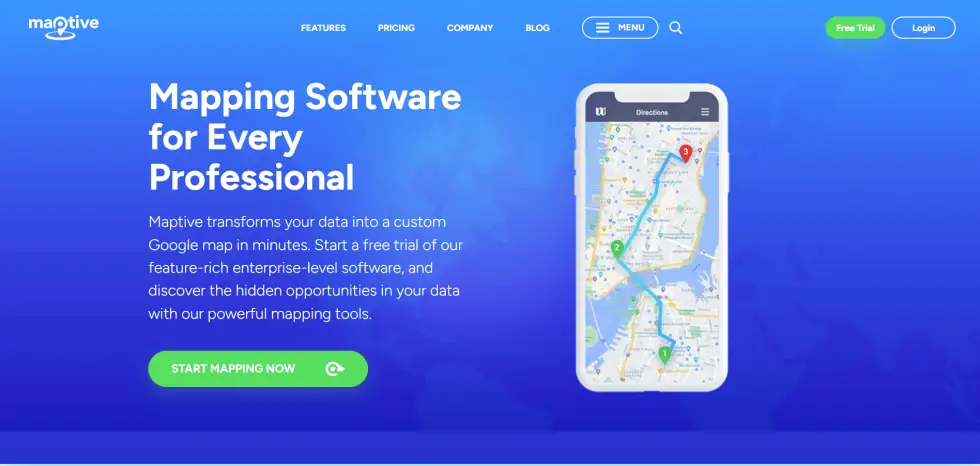
MaptiveCustom territories with lasso + routingAPI access and planned integrations with Salesforce, Zoho, Keap, and HubSpot $250 /45-day passQuick, Google-powered data visualization.
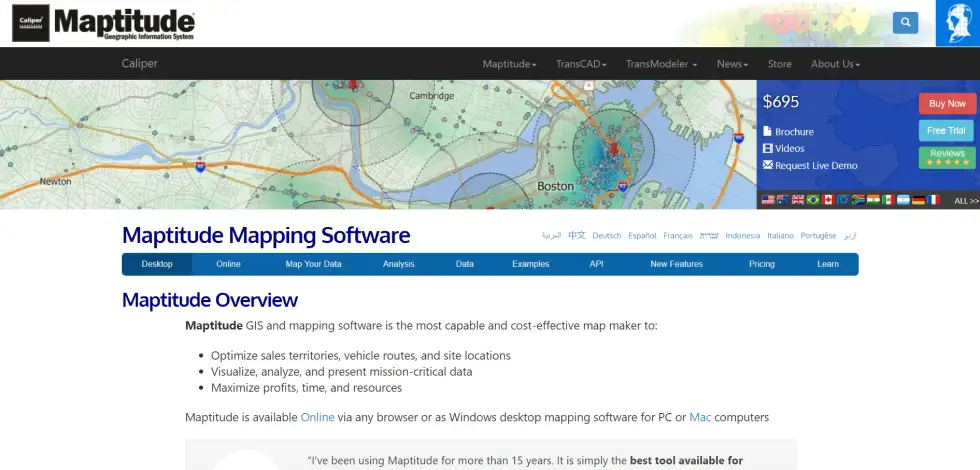
MaptitudeAdvanced territory creation, analytics+ territory balancing tool Broad data imports ( Excel, SQL,  Access) and API $695 one-time license (desktop), In-depth geographical research. 
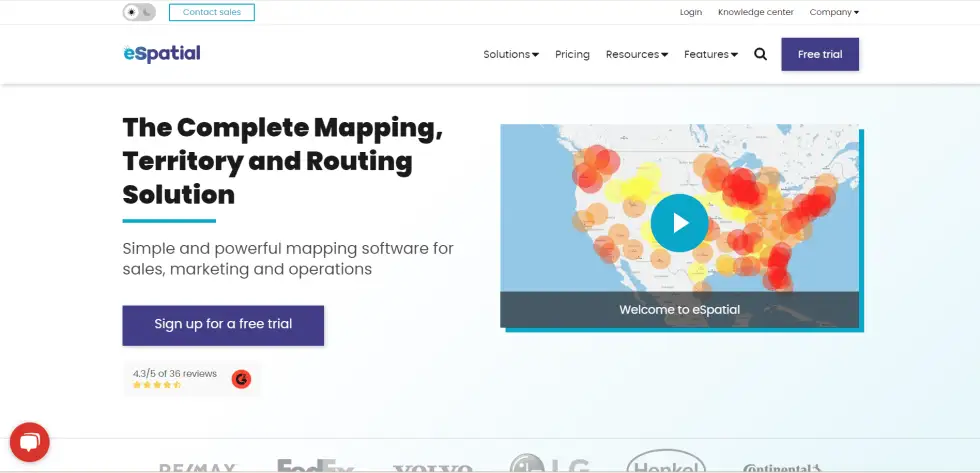
eSpatialTerritory design and optimization using various boundariesEnterprise-friendly Native Salesforce integration and custom APIs$1495/yearRoute-heavy teams that require strong territory and routing features.
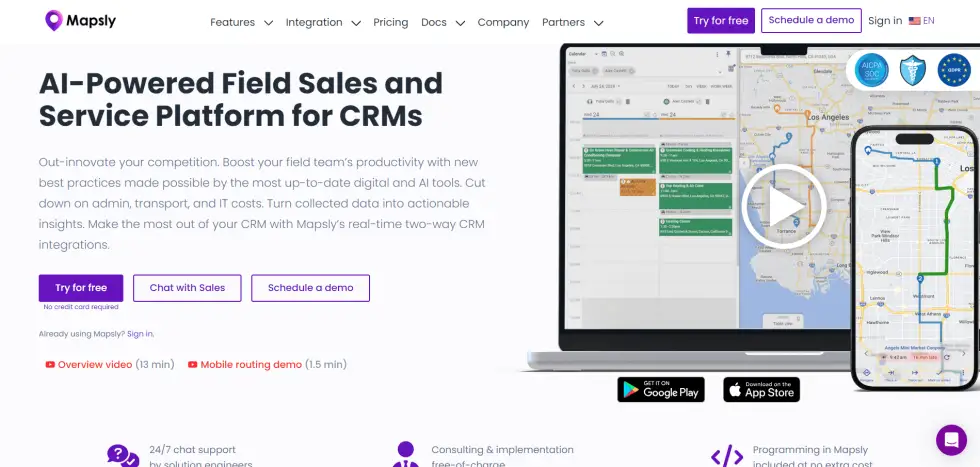
Mapsly Territory, routing, and mobile functionsSubscription-based CRM automation, $25/user/moBudget-friendly option for routing and mapping automation. 
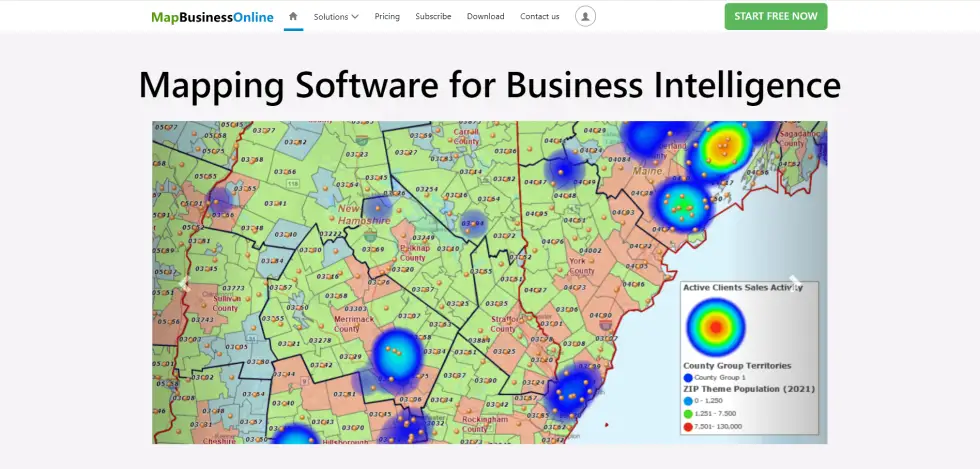
MapBussinnesOnlineTerritories planning and market analysis Cloud collaboration$500/yearBusinesses focused on territory and market analysis. 
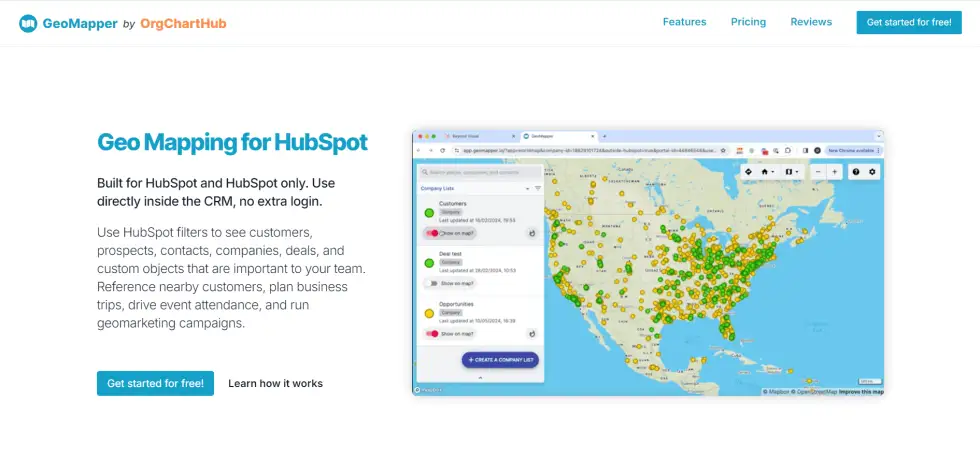
GeoMapperEmbedded mapping and territory in HubSpot  HubSpot-nativeFree version/quote Teams that use
HubSpot needs mapping functionality  
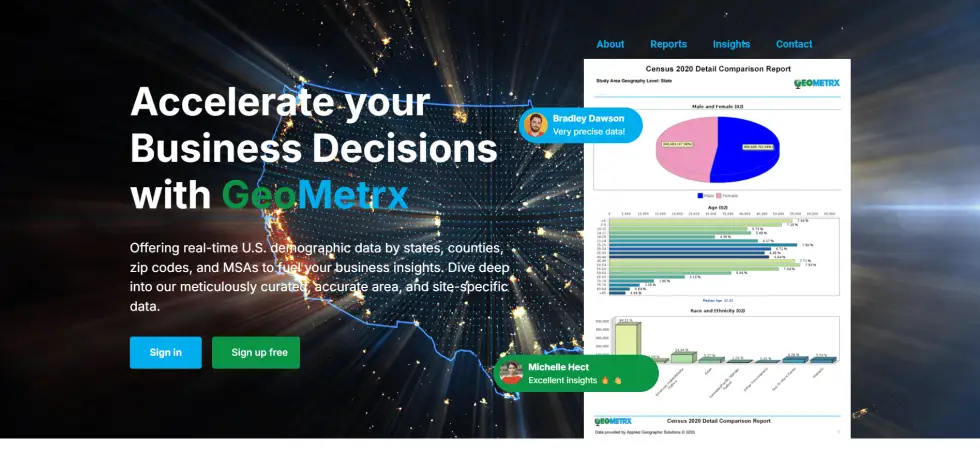
GeoMetrixTerritory planning, demographic data, and data analysis of mobile data. Enterprise data services Quote requiredTerritory planning and demographics insights.

10 Best Sales Mapping Solutions for Sales Success

We have listed 10 of the top mapping solutions below. Each tool is simplified into a clear and easy-to-read summary that highlights its main features, pricing, and what it’s best for, so you can quickly find the tool that best suits your team.

1) Knockio

What it is: Knockio is a user-friendly and budget-friendly platform for field canvassing and territory management. You can map by Zip code or custom shapes, set rules of ownership to avoid overlapping, plan efficient routes, locate reps in real-time, or even organize notes right from mobile.

Highlights:

  1. Operates well on both IOS and Android, making it ideal for a field rep.
  2. Unlimited addresses and proper tagging.
  3. Real-time team tracking for visibility (without micromanaging). 
  4. Route Planning (pinpoint, Zip, hand-drawn).
  5. Territory mapping with clear ownership rules.
  6. Basic reporting and analytics to monitor performance.

Pricing: The Standard plan starts at $20/user/month, and the Custom plan is designed for larger organizations.

Best for: Door-to-door sales teams, canvassing programs, or any field organization that desires a simple, well-structured workflow.!

2) Mapline

Source: Mapline

What it is: Mapline makes it super easy to turn plain old spreadsheets into interactive maps. You can set up boundaries, build heat maps, plan efficient routes, and auto-assign customers to territories. It’s a strong choice for teams that rely on spreadsheet data and need quick, powerful geo-visuals. 


Highlights:

  1. Create a map directly out of Excel in a couple of seconds 
  2.  Use heat maps, boundary outlines, and route planning.
  3. Auto-assign territories to customers.
  4. Access dashboard and reporting tools for quick insights.


Pricing: Free trial is available, quote on request

Best for: teams that use spreadsheets extensively and need a fast and easy mapping tool with no steep learning curve.!

3) Geopointe

Source: Geopointe

A mapping tool built specifically for Salesforce users. It location-enables Salesforce data, which allows you to visualize accounts, contacts, and opportunities on a map, all without leaving your CRM.

Highlights: 

  1. Use preset boundaries to set up territories quickly.
  2. You can plan your routes using Salesforce data.
  3. Real-time field visibility for managers.
  4. Assign leads and territories directly into SFDC

Pricing: starts at $75/user/month.

Best for: It is for organizations that are deeply invested in the Salesforce ecosystem.

4) Maptive

Source: Maptive

It is a Google Maps-based tool that quickly turns simple spreadsheets into custom, interactive maps. It’s known for its user-friendly interface that allows one to draw a territory fast using a lasso to find its demographics.

Highlights: 

  1. Create custom maps from spreadsheet data in minutes 
  2. Use the lasso tool for precise shapes
  3. Add territory metrics, such as customer info and demographics.
  4. Multi-stop route optimization.

Pricing: $250/user for 45 days, but this should be confirmed with the vendor.

Best for: Business teams who want an easy-to-use Google Maps-powered platform.

5) Maptitude

Source: Maptitude

An effective and powerful geographic information system (GIS) and location analytics tool. Maptitute is built to do deep analysis, helping strategists and analysts uncover hidden sales patterns, optimise territories, and respond to complex geo-spatial questions.

Highlights: 

  1. Easily identify hotspots and sales trends.
  2. Get a clear picture of the location of your customers.
  3. Offers powerful data importation support and APIs.
  4. Respond to location-based queries that your spreadsheets just can’t do.

Pricing: $695/year one-time desktop license, and a cloud version also exists.

Best for: Perfect for analysts and planners who require better insights into geography and customer behaviour.

6) eSpatial

Source: eSpatial

Highlights: 

A route and territory design platform that is developed to ensure that teams can cover more ground as effectively as possible. It offers clear data visualisation, territory balancing features, and good integration.

  1. Easy visualisation of data to identify trends and patterns
  2. Sales and services route optimisation using AI.
  3. Advance territory design and balancing software.
  4. Share maps online and offline when necessary.

Pricing: Starts at $1495/year.

Best for: This will best suit the teams that travel extensively on roads and wish to have quicker and more efficient routes.

7) Mapsly

Source: Mapsly

It is a geo-intelligence platform that provides mapping, routing, and CRM automation within a tool. It can be accessed both on desktop and has a quick mobile experience with field reps.

Highlights: 

  1. Mobile-friendly mapping and routing.
  2. Territory management and auto-assign
  3. Multi-user and multi-day optimised route
  4. No code CRM automations.


Pricing:  The essential plans cost $25/user/month.

Best for: teams that require cost-effective routing and CRM.

8) MapBusinessOnline

Source: MapBusinessOnline

 It is a cloud-based platform designed for smarter territory management, market and drive-time analysis, and allows many individuals to plan together through mapping. It is known for its affordability, ease of use, and multi-user work on the cloud.

Highlights: 

  1. Maps customers and markets to analyse.
  2. Provide multi-stop route planning.
  3. Provide team map editing and sharing.
  4. Provides high-level territory management.


Pricing: $500/user/year, and it also offers a free trial.

Best for: Teams that need to have a single platform that integrates market research and territory planning.

9) GeoMapper

Source: GeoMapper

A mapping solution that is integrated directly within HubSpot. It enables groups to make plans, filter lists, and visualize activity without leaving HubSpot.

Highlights: 

  1. Operates completely in HubSpot CRM.
  2. Make lists of imports and convert them to maps.
  3. Helps reps focus on the best pocket of demand.
  4. Enables sorting of the HubSpot listing to find priority customers.


Pricing: Has a free starter plan, and paid plans begin at $65/user/month.

Best for: Teams that spend most of their time in HubSpot and want mapping solutions built directly within their CRM.

10) GeoMetrx: A Tool for Mapping Sales Territories

Source: GeoMetrx

Geometry is all about small territory planning, which is based on mobile location data. It is a powerful tool for networks that need expert market analysis for site selection and territory development. 

Highlights: 

  1. You can easily upload data and map out territories.
  2. It compares the radius with more realistic drive-time coverage 
  3. Share maps, reports, and territory layouts with your teams and stakeholders.

Pricing: Based on request.

Best for: It’s useful for retailers, restaurants, franchises, and even real estate companies that need territory-based models for data.

Build Your First Sales Map: Step-by-Step Guide

1. Import your data: 

Start with simply grabbing your list. It could be any CSV file or your CRM itself. Just make sure your file contains all important things such as names, addresses, and status.

2. Clean things up:

Let’s clean the messy data. Sort your data based on the status of the customer, owner or value and any relevant tags (if you have them) to separate accounts. This step will save you from future headaches. 

3. Choose territory shapes:

Here you can decide your geographic boundaries. Start with Zip codes, or create with custom polygons, or add drive-time if you want to refine routes even more.

4. Assign ownership:  

Time to decide who gets what. You need to set clear, consistent rules for assigning territories to prevent overlaps and conflicts. Document all assignments for transparency.

5. Balance the Workload:

To ensure equal opportunity and avoid workload imbalance. Distribute territories fairly based on accounts, revenue potential, or travel time. 

6. Plan your routes:

Now, map out territories to create optimized routes, add priorities and time windows for efficiency. This way, your team is not wasting time looking for where to go next.

7. Track and Adjust:

The most important step is to continuously monitor performance and market shifts. Use analytics tools to check coverage, reassign territories, and make changes accordingly.

Quick Fixes for Common Mistakes 

  1. Diving early into too many shapes: Just start with simple boundaries like Zip codes, and once you get the hang of the basics, you can later add drive-time layers.
  2. No territory ownership rules: Use software or any tool that enforces exclusivity and avoids overlaps, reduces conflicts, and gives them a clear idea of their positions.
  3. Guesswork instead of Balancing:  start with something you understand, like accounts or revenue potential. When that is established, then you can put additional factors. 
  4. Ignoring feedback from the field: your reps know the road better than anybody. Establish and allow feedback from reps to identify issues and make adjustments.
  5. Territories that never change: Sales patterns shift. What was working 6 months ago may not work at this time. Go over your territories once every quarter.

Quick Checklist to Choose the Right Tool:

Budget: Does it have clear pricing and a budget that fits as you grow?

Territory features: Does the tool offer the right shapes (such as ZIP codes, polygons, drive-time) and balancing ( like accounts, revenue, workload)?

Mobile Functionality: Is the app fast and reliable, especially for offline use?

Routing tools: Does it have the ability to optimize routes with time windows and priorities?

CRM integration: check if it integrates smoothly with your CRM (e.g, Salesforce, HubSpot, Zoho, Zapier)?

Ownership and Rules: Can you apply rules to avoid overlaps and lock assignments?

Reporting: Can you access the dashboard and performance view easily? 

Conclusion:

The right sales territory mapping software transforms all the messy, scattered lists into a strategic sales plan, making it clear where your team needs to focus, who to visit, and how to get there without wasting time. You can start with basic elements: use methods like ZIP code mapping to define clear ownership, drive-time analysis to represent actual real-world travel, and workload balancing to ensure fairness. It is also necessary to establish regulations to overcome overlapping issues and ensure harmony within a team. Lastly, select a tool that works well with your current CRM and fits seamlessly into your daily sales routine. 

If you want to see what that looks like in practice, you can simply try Knockio. It enables you to create territories using ZIP codes, counties, or custom shapes. You can also generate drive-time zones, prevent territory overlaps, balance workloads, and send optimized routes directly to mobile devices. –  All from a single platform. 

What is sales mapping software?

Sales mapping software is a tool that allows you to position your customer and prospect lists on a map. You can create territories (ZIP/county/polygon), and it helps reps make an efficient route, saving more time for selling than driving.

How to do mapping in sales?

To do mapping in sales, you take all the information about your customers, such as addresses, and pin it on a map. This way, you can see where your customers live or work and plan your visits to save time and meet more people.

How do you create a sales map?

To create a sales map, you use a sales mapping tool. You enter your customer data, like their names and addresses, and the software puts it on a map for you. Then you can see where to go and who to visit.

What is the best software for sales?

The best sales mapping software is Knockio. It helps you easily find your customers, plan your sales visits, and make sure you’re working in the best areas!

Do these mapping tools work with my CRM?

Many of the top tools offer integration with major CRMs like Salesforce or HubSpot. Those are the ones to consider in case you want tight sync.

Syed Junaid

Written by

Syed Junaid

Marketing Lead & Content Strategist at Knockio

Syed Junaid is the Marketing Lead & Content Strategist at Knockio, where he helps field sales and service businesses eliminate software bloat and scale their operations. He writes about B2B SaaS growth, field sales strategies, and how contractors can eliminate the “Duct-Tape Tax” to run more profitable businesses.

Mastering Door To Door Insurance Sales A Complete Guide


Insurance sales might sound tricky, but selling insurance door-to-door is an art that, with the right approach, anyone can master. Door-to-door insurance sales is a unique way to meet potential clients, explain insurance benefits, and help them make informed decisions. However, mastering this type of sales requires understanding, strategy, and perseverance. Let’s dive into the complete guide to find out the best ways to sell insurance and how to be successful at door-to-door insurance sales!

What Is Door to Door Insurance Sales Really About?

Door-to-door insurance sales are when an insurance agent physically goes from house to house to sell insurance policies. It’s a more personal approach compared to online or phone sales. When you knock on someone’s door, you’re doing more than just selling a product. You’re making connections, helping families protect their future, and giving them peace of mind. Meeting face-to-face allows you to explain insurance plans clearly, answer any questions, and offer options that fit each family’s specific needs.

This way of selling has been around for a long time. Even though many companies now use the Internet, door-to-door sales are still effective, especially for insurance. People appreciate talking to a real person, and when it comes to something important like insurance, many prefer to discuss it in person.

Advantages of Door-to-Door Selling

Selling door-to-door has many benefits. One big advantage is that it helps salespeople connect directly with potential customers. When they talk face-to-face, it’s easier to explain how a product works and why it’s helpful. The customer can see the product up close, which can make them more likely to buy it.

Even if someone doesn’t buy right away, the salesperson can follow up with them later. Also, meeting in person allows the salesperson to adjust their pitch based on what that specific customer cares about. This personal touch makes a company stand out from others.

Another great benefit of talking directly to potential customers is that it helps companies understand what people want and need. This can give businesses important ideas for improving their products and planning better marketing in the future.

Types of Door-to-Door Sales

As door-to-door sales have grown, the way salespeople approach customers has changed, too. They’re always coming up with new strategies to help them make more sales.

Examples of Industries That Use Door-to-Door Sales

Some industries that use door-to-door sales include:

  • Solar and energy
  • Cable, internet
  • Security systems
  • Pest control
  • Landscaping
  • Construction
  • Roofing and storm damage
  • Insurance sales

Can Door to Door Insurance Selling Deliver Results?

Despite Forbes saying in 2011 that door-to-door sales were one of the top 10 jobs that might disappear. It has continuously increased since then as much as 34% each year over the past 10 years, according to the Bureau of Labor Statistics.

Yes, it can! Door-to-door selling may sound old-fashioned, but it’s surprisingly effective in certain industries, especially insurance. Why? Because selling insurance is often about building trust. People need to trust the agent they’re buying from because insurance is a long-term investment in their safety and security. When you meet someone face-to-face, you have the chance to connect, share your story, and most importantly, listen to their concerns.

Also, selling insurance door-to-door allows you to explain complex policies in simple terms. Many people find insurance confusing, and they may hesitate to buy something they don’t fully understand. You can explain the benefits, answer their questions, and help them see why they need the protection you’re offering.

However, success in door-to-door insurance sales doesn’t happen overnight. It takes time, effort, and a well-thought-out strategy. You’ll need to be patient and persistent. You may face rejections, but with every “no,” you’re one step closer to a “yes.”

What is the Success Rate of Door-to-Door Sales?

On average, about 2% of the people sales reps talk to become customers. This might sound low, but let’s break it down. For example, if you have 4 salespeople, and each of them knocks on 150 doors in one day, they will talk to about 600 people. If they convert 2%, that means they’ll get 12 new customers per day:

4 salespeople x 150 doors x 2% = 12 new customers per day

There are also ways to improve this and get even more customers!

How to Kickstart Your Door to Door Insurance Sales Journey

Starting your journey in door to door insurance sales can be exciting but also challenging. As a salesman or insurance broker, your goal is to help people understand the benefits of life insurance and other important policies.

First, you’ll be doing a lot of door-knocking, which means going from house to house to talk to people. This can be a little like cold calling, where you’re talking to someone who might not expect you. But don’t worry—many people need help understanding their insurance, and you can make a big difference by using the best ways to sell insurance.

Before you begin, it’s important to know the rules in your area. Some places require you to be a licensed insurance agent, also known as a LIC agent. This means you’ll have to take some tests and get a license to sell insurance.

Once you’re ready, it’s time to start marketing yourself. Let people know you’re here to help. Work with your insurance company to get materials that explain the different types of insurance you offer.

When you’re outdoors selling, stay friendly and confident. D2D sales (which stands for door-to-door sales) can be hard at first. With practice, you’ll learn how to tackle people, and how to answer their questions, and ultimately, you can explain why insurance is important for them.

With hard work, you can be successful in door-to-door insurance sales!

Understanding and Researching Your Ideal Customers

The first step to successful sales is understanding who your target customers are. Who needs insurance the most? Think about families, new homeowners, and even individuals who have never bought insurance before. By knowing your target audience, you can craft your sales pitch to address their specific concerns.

Research your area too. Is there a new housing development? Are there young families moving in? Understanding your potential customers’ needs will make your job easier. For example, if you’re selling life insurance, focus on explaining how it can protect a family’s future in case of an unexpected event.

Selling insurance also depends on the market, whether you are selling to people at home or to businesses.

For most door-to-door insurance sales in neighborhoods, there are four main types of insurance you can sell:

  • Critical Illness Insurance.
  • Medicare Supplements.
  • Permanent Life Insurance – also called Final Expense.
  • Mortgage Protection – This is a type of Term Life Insurance.

If you’re selling door-to-door to businesses, different types of insurance are more suitable.

These might include:

  • Disability Insurance with an option for business expense coverage.
  • Employee benefits packages.
  • Life Insurance for estate planning, paying off debt, and providing money for survivors.
  • Exit planning insurance, like Key Man Insurance or buy-sell plans, is for business owners.

Cultivating a Winning Mindset for Door to Door Sales

Before you start knocking on doors, you need to prepare mentally. Door-to-door sales can be tough. You’ll face rejection, and sometimes people won’t be interested. But don’t let that discourage you. A positive mindset is key. Think of every door you knock on as an opportunity to help someone. Even if you don’t make a sale immediately, you’re planting a seed. That person might think about your offer and reach out later.

Remember, confidence is contagious. If you believe in the value of the insurance you’re offering, your potential customers will too.

Tracking Your Progress and Setting Realistic Goals

Sales is a numbers game. You need to track how many doors you knock on, how many people you talk to, and how many sales you close. By measuring your progress, you can figure out what’s working and what needs improvement.

Set daily, weekly, and monthly goals for yourself. Maybe you aim to knock on 30 doors a day or make 10 presentations a week. These small goals will keep you motivated and help you stay on track. Success in door-to-door insurance sales doesn’t happen all at once, but it does happen gradually if you stay committed.

Building Trust and Credibility with Prospective Clients

Trust is everything in insurance sales. People are more likely to buy from someone they trust. But how do you build that trust? Start by being transparent. Be honest about what the insurance policy covers and what it doesn’t. Explain the costs clearly so there are no surprises later.

Ask them questions about their needs and concerns. The more you know about their situation, the better you can recommend a policy that fits their needs. Building rapport with your clients will make them feel valued and understood.

Building trust with people you don’t know can be hard, but here are some things that can help:

  • Let them know you’re familiar with the area.
  • Start with small talk instead of jumping right into your sales pitch.
  • Use your first name and ask for theirs.
  • Always be honest with them.
  • Stand a little back from the door, don’t get too close.
  • Be confident, but don’t try to push them too much.
  • Smile and be friendly.
  • Stand a bit sideways, not directly facing them.
  • Listen carefully to what they say.
  • Show them you understand their needs.

Overcoming Challenges at the Doorstep

Knocking on someone’s door and pitching a product can be challenging. You may encounter people who are skeptical, busy, or simply not interested. But don’t get discouraged! Here are a few tips for overcoming these challenges:

  • Be respectful: If someone says they’re not interested, thank them for their time and move on.
  • Handle objections gracefully: If a person has concerns, such as price or whether they need insurance, address them calmly. Provide real-life examples of how insurance has helped others in similar situations.
  • Be concise: Time is valuable. Make sure your pitch is clear, concise, and straight to the point. This will show that you respect their time while still offering value.

Sealing the Deal: How to Close Insurance Sales Effectively

The close is the most critical part of any sales process. After you’ve explained the benefits of the insurance policy and answered all the customer’s questions, it’s time to ask for the sale. But closing doesn’t have to feel pushy. Instead, focus on showing the customer the value of the insurance policy and how it fits their specific needs.

Here’s a helpful approach:

  • Summarize their concerns: Remind them of what they said they were worried about (e.g., protecting their family, securing their home).
  • Offer the solution: Explain how the policy you’re offering will give them peace of mind.
  • Ask for the sale: Be confident and ask directly, “Does this policy sound like it meets your needs? Would you like to move forward today?”

Sometimes, customers may need more time to think. That’s okay! Leave them with your contact information and let them know you’re available to answer any more questions.

What Are the Common Obstacles to Closing Insurance Sales?

Closing a sale isn’t always easy, and several factors can get in the way. Some of the most common obstacles include:

  • Indecision: People often hesitate because they’re unsure if they need insurance. Help them see the value by using real-life examples or testimonials.
  • Budget concerns: Some people may feel insurance is too expensive. In these cases, you can offer flexible payment plans or smaller policies that still provide protection.
  • Lack of trust: If a potential client doesn’t trust you or the company you represent, they won’t buy. That’s why it’s essential to build credibility from the start.
  • Complexity: Insurance can be confusing, and if the customer doesn’t understand the policy, they’re unlikely to buy. Keep things simple and make sure they understand exactly what they’re getting.

What is a Door-to-Door Salesman?

A door-to-door salesman or saleswoman is someone who goes to different houses or businesses to sell a product or service. These people know a lot about what they’re selling, so they can answer questions and explain things to potential customers. They learn this through good training and practice on the job.

Even though “door-to-door” sounds like it only means knocking on doors in neighborhoods, it can also include other ways of selling, like calling people on the phone (telemarketing).

In 2023, it’s rare to find insurance salespeople going door-to-door like they used to before the 1990s. Back then, agents would visit homes, sit down with families, and help them understand life insurance policies. But with changes in technology and customer habits, most of these in-person sales jobs have disappeared. Even Forbes has called door-to-door sales one of the “dying careers.”

However, life insurance agents haven’t completely gone away; they’ve mostly moved online. Many customers still like talking to a real person, especially over the phone, before they buy insurance. In fact, 62% of online shoppers say that speaking with a representative helped them make a decision.

So, what can agents do to boost their sales in this digital world? There are two key things:

  1. Use more technology, like artificial intelligence (AI) and big data, to speed up processes and make decisions faster.
  2. Learn from old-fashioned door-to-door agents about how personal connections with customers can make a difference in sales.

Using Technology to Sell Insurance

Today, many businesses are using canvassing apps to sell outdoors. In the insurance world, this helps agents recommend the best policy quickly and even predict risks. This technology makes creating personalized plans much faster, sometimes in just minutes.

Personalizing the Customer Experience

Door-to-door agents were successful because they provided personal, face-to-face service. They listened to people’s concerns and answered questions directly. While door-knocking is now rare, agents can still make good sales by using technology like Knockio for managed sales. By gathering information about customers, with the provided homeowner data, agents can close successful sales and offer better service.

How KNOCKIO Can Help Insurance Agents

With KNOCKIO, insurance agents can get the best of both worlds—using technology while still building personal connections. Here’s how KNOCKIO can help:

  1. Lead Management: KNOCKIO helps you keep track of all your potential customers and conversations, so you never miss a chance to follow up.
  2. Route Mapping and Planning: It helps you plan the best path for visiting customers in person, making sure you’re using your time wisely and covering more ground.
  3. Digitally Signed Proposals: KNOCKIO allows agents to send and receive signed insurance documents digitally, so there’s no need for paperwork, and everything is done faster.
  4. Live Tracking of Insurance Agents: Insurance companies can use KNOCKIO to track where their agents are in real time. This makes it easier to see how things are going and provide support if needed.

By using KNOCKIO, agents can boost their sales with smart tools. It lets them focus on what matters most and helps them close deals quicker!

Conclusion

Mastering door-to-door life insurance sales takes time, patience, and strategy. By getting to know your customers, staying positive, and using tools like Knockio to keep track of your progress, you can become a successful door-to-door insurance agent. Always remember, selling insurance isn’t just about making a sale—it’s about helping people protect what matters most.


Syed Junaid

Written by

Syed Junaid

Marketing Lead & Content Strategist at Knockio

Syed Junaid is the Marketing Lead & Content Strategist at Knockio, where he helps field sales and service businesses eliminate software bloat and scale their operations. He writes about B2B SaaS growth, field sales strategies, and how contractors can eliminate the “Duct-Tape Tax” to run more profitable businesses.


Why Roofers Knocking on Doors: How to Avoid Roofing Scam

Roofers knocking on doors? It may sound surprising to some, but it’s a common practice in the roofing industry. You might have even noticed it yourself—after a big storm, suddenly a roofing salesman appears at your door, offering to check your roof for damage. But why do roofers do this? And how can they turn door knocking into a successful strategy for selling roofing services? In this blog post, we’ll break down the reasons behind this practice and offer advice on how to make it successful.

Why Roofers Knocking on Doors?

Roofers knock on doors because it’s a direct way to reach potential customers. In the roofing business, particularly after a major storm, many homes may have roof damage that homeowners don’t even know about. When a roofer knocks on your door, they’re offering you a free inspection, hoping to find damage and provide an estimate for repair or replacement. It’s a proactive sales method and can be an effective way to find customers quickly.

For example, imagine a severe hailstorm. A roofer knows that hail can damage roofs by denting shingles, breaking tiles, or causing leaks. However, homeowners often don’t notice this damage until it leads to bigger problems like water leaks. By knocking on doors right after a storm, the roofer can offer immediate help to people who might need their services.

Here are some reasons you might get that unexpected knock on your door:

1. Storm Damage and Urgent Repairs

Roofers often target neighborhoods hit by storms, especially after severe weather like hail, high winds, or hurricanes. Storms can cause serious damage to roofs, but this damage isn’t always visible from the ground. A roofer might knock on your door to inform you that your roof could be damaged, even if you haven’t noticed any leaks or missing shingles.

After a storm, you might not think your roof has any problems, but minor damage can become something major if left unattended. That’s why roofers take the initiative to knock on doors, hoping to inform homeowners of potential issues before they become emergencies.

2. Building Trust and Personal Connection

Another reason roofers knock on doors is to create a personal connection with homeowners. Meeting someone face-to-face can help build trust, especially in an industry where reputation is everything. Contractors know that people are more likely to hire someone they feel comfortable with. A friendly conversation at your doorstep can lead to a long-term business relationship.

3. Growing Local Businesses

Roofing contractors and tiny local companies often go door-to-door to grow their business. This direct approach helps them connect with new customers in the neighborhood. It also allows homeowners to learn about roofing services they may not know about. By talking face-to-face, contractors can build trust and explain how they can help with roofing needs. In competitive industries like roofing, this direct form of marketing is an effective way to stand out from the crowd.

4. Raising Awareness About Roof Maintenance

Many homeowners don’t think about their roofs until there’s a major problem. Roofers knocking on doors can help raise awareness about the importance of regular roof maintenance. Just like you get your car’s oil changed or check the air filters in your house, your roof also needs periodic inspections and repairs. Contractors often knock on doors to remind homeowners of this and offer their services.

The Benefits of Door Knocking for Roofers

Now that we know why roofers knock on doors, let’s look at some of the benefits this sales tactic offers:

  1. Immediate Customer Interaction: When roofers knock on doors, they meet potential customers face to face. This direct interaction helps build trust because the homeowner can ask questions, get answers right away, and see who they might be working with.
  2. Targeted Sales: Door knocking allows roofers to target specific areas, especially those that have been hit by storms or are known to have older homes with aging roofs. It’s a way to focus their efforts where they’re most likely to find roofing sales.
  3. Quick Feedback: When a roofer knocks on a door, they know immediately whether a homeowner is interested. This quick response lets them move on to the next house if someone isn’t interested, rather than waiting for calls or emails.
  4. Low-Cost Marketing: Unlike expensive ads or mail campaigns, knocking on doors costs almost nothing but time. It’s a low-cost method to find customers, making it especially appealing to smaller roofing companies.

Common Mistakes Roofers Make When Knocking on Doors

Door knocking is a reliable way for roofers to find new clients, but not every roofer is successful at it. Some roofers struggle because they may not approach homeowners properly, lack clear communication, or fail to follow up. To be effective, roofers need to be respectful, knowledgeable, and well-prepared when knocking on doors. A friendly and professional attitude can make a big difference in gaining new customers and building trust. Many roofers make simple mistakes that can hurt their chances of landing new jobs. If you’re in the roofing business and want to avoid these pitfalls, here’s a list of common mistakes roofers make when knocking on doors—and how to avoid them.

1. Lacking a Clear and Polished Introduction

One of the most common mistakes roofers make is failing to have a well-prepared, concise introduction. When you knock on someone’s door, first impressions are critical. If you stumble over your words, seem unsure of your purpose, or give a confusing pitch, the homeowner will likely lose interest quickly.

How to Avoid It:

  • Prepare a 20-30-second elevator pitch that introduces yourself and your company.
  • Be confident but not pushy. For example, “Hi, I’m Sarah from ABC Roofing. We’re offering free roof inspections in the area due to the recent storm. I’d love to check your roof for any potential damage, no obligation required.”
  • Practice your pitch until it sounds natural and professional.

2. Not Doing Enough Research on the Area

Roofers often make the mistake of knocking on doors in the wrong neighborhoods. Without proper roofing insights, targeting areas with little demand for roofing services can be a waste of time and energy. If the area has roofs that don’t need much repair or haven’t experienced recent storms, homeowners are less likely to need roofing work. Roofers should focus on neighborhoods with older roofs or places recently affected by storms, as these are more likely to have people who need their services. By applying roofing insight, they can make better use of their time and efforts.

How to Avoid It:

  • Research the neighborhoods you plan to visit. Focus on areas where there’s a high likelihood of roof damage due to recent storms or areas with aging roofs.
  • Tools like local weather reports, aerial imagery, and even KNOCKIO’s data-driven platform can help you identify homes that are more likely to need your services.

3. Ignoring “No Soliciting” Signs

One of the quickest ways to annoy homeowners and hurt your reputation is to ignore “No Soliciting” signs. Many roofers overlook these signs in hopes of landing a sale, but it can backfire by irritating the homeowner and possibly leading to complaints.

How to Avoid It:

  • Respect “No Soliciting” signs. If you see one, simply move on to the next house.
  • Consider leaving a flyer or business card at homes with these signs, but do not knock. This way, you can still offer your services without breaking the homeowner’s preference.

4. Being Too Pushy or Aggressive

Many roofers make the mistake of being too pushy when they knock on doors. Homeowners may already feel wary about door-to-door salespeople, and if you’re too aggressive in your pitch, it can turn them off completely.

How to Avoid It:

  • Keep your pitch friendly, informative, and relaxed. Focus on building trust, not just making a sale. If the homeowner shows disinterest, don’t force the conversation.
  • Use soft closes like, “Would it be helpful if we took a quick look at your roof, just for peace of mind?”
  • If someone says they’re not interested, respect their answer and offer to leave a business card or flyer for future reference.

5. Failing to Listen to the Homeowner

Sometimes, roofers are so focused on delivering their pitch that they forget to listen to the homeowner’s concerns. This can make the interaction feel one-sided and scripted, leading homeowners to tune out.

How to Avoid It:

  • Listen more than you talk. Pay attention to the homeowner’s needs, concerns, and any objections they may have.
  • Ask open-ended questions, such as “Have you noticed any issues with your roof after the last storm?” This encourages conversation and helps you better understand their needs.

6. Not Being Prepared for Objections

Every homeowner you meet won’t be eager to schedule an inspection or buy your services right away. Roofers often make the mistake of not preparing for common objections, leading to awkward interactions or lost opportunities.

How to Avoid It:

  • Prepare responses to common objections, such as:

    • “I don’t need a new roof.” “I understand. Sometimes storm damage isn’t obvious at first. A free inspection could help you avoid costly repairs down the road.”
    • “I already have a roofer.” “That’s great! If you ever need a second opinion or quick assistance, feel free to keep my card.”

  • Keep responses respectful and informative. Don’t argue with homeowners, but instead provide value that might change their minds.

7. Failing to Follow Up

Many roofers make the mistake of knocking on doors once and never following up. Even if a homeowner doesn’t need roofing services right away, they might remember you if you keep in touch. Failure to follow up can result in missed opportunities down the line.

How to Avoid It:

  • Collect contact information, such as email or phone numbers, and follow up with homeowners who showed interest.
  • After the initial visit, send a thank-you email or follow-up call, offering further information or special offers.
  • Use automated follow-up tools like those offered by KNOCKIO to ensure you stay in touch with potential clients without being overly intrusive.

8. Dressing Unprofessionally

While it may seem like a small detail, how a roofer dresses can significantly impact how they’re perceived. Showing up in dirty or unprofessional clothing can give homeowners a bad impression, even if your company offers excellent services.

How to Avoid It:

  • Wear clean, professional attire with company branding, such as a polo shirt or jacket with your logo.
  • Make sure you have proper identification, such as a company badge or business card. This helps build trust and legitimacy.
  • Present yourself in a manner that reflects your company’s professionalism and attention to detail.

9. Forgetting to Provide Proof of Work or Insurance

Trust is a major issue for homeowners when someone knocks on their door. Roofers often forget to provide proof of their previous work, insurance, or certifications, which can raise doubts in the homeowner’s mind.

How to Avoid It:

  • Always carry brochures or business cards that showcase your previous roofing projects and customer testimonials.
  • Have copies of your company’s insurance and certifications readily available. Being able to prove your legitimacy can help build trust quickly.
  • Consider providing a list of local references, or better yet, showcase positive online reviews from other customers in the same neighborhood.

10. Neglecting to Offer Value Before the Sale

Some roofers rush into the sales pitch, focusing on making a sale before offering any value to the homeowner. This approach can be self-serving and may make homeowners feel like they’re only interested in their money. Therefore, you need a balanced door knocking script for roofing sales.

How to Avoid It:

  • Offer a free roof inspection, a roof maintenance checklist, or valuable tips on how homeowners can maintain their roofs. When you provide value upfront, you build trust and make homeowners more likely to consider your services in the future.
  • Focus on education rather than just selling. For example, explain how certain roof damage can lead to more serious problems if left unchecked. Helping homeowners understand the importance of roof maintenance or timely repairs makes you a trusted expert in their eyes.

Turn Mistakes into Opportunities

Knocking on doors can be a challenging but rewarding sales strategy for roofers. While it’s easy to make mistakes—like giving a weak introduction, not following up, or being too pushy—the good news is that every mistake can be fixed. By preparing well, respecting homeowners’ time and preferences, and offering value before pushing for a sale, roofers can turn door knocking into a powerful tool for building lasting relationships and growing their business.

KNOCKIO can help roofing companies avoid these mistakes by offering tools to manage leads, streamline follow-ups, and track interactions, making door-knocking more effective and efficient. With a solid plan and the right tools, any roofer can knock on doors successfully and boost their sales!

The Risk of Choosing the Wrong Roofing Contractor

While door-to-door roofing contractors can offer a convenient service, there’s a risk involved if you don’t choose the right contractor. Not all roofers knocking on doors are qualified, and some might even be scams. This is why it’s crucial to do your research before hiring anyone. You don’t want to end up with a poorly done job that could lead to bigger issues down the line.

How do Door-to-Door roofing scams Work?

Sometimes, especially after a major storm, a door-to-door roofer will show up at your house and offer you an unbelievable deal, such as free roof repairs or extremely low-cost improvements. This roofer may claim that your roof has hail damage and extend a complimentary roof inspection. Even if you don’t invite them, they might knock on your door to discuss roof replacement.

All of this, however, could be part of a door-to-door roofing scam. To get you to agree to an immediate roof check, these roofing scam artists use deceptive sales techniques. As soon as they’re on your roof, they might do further harm and blame the storm for it. To benefit financially, they want to persuade your insurance provider to cover the cost of a roof replacement.

It’s your fault, not the roofer’s if the insurance company discovers a discrepancy in the claim. The cost of the repairs may have to be covered by you. Even if the insurer pays, it still harms you because you may have difficulties submitting a legitimate claim in the future, and your insurance prices may increase. Therefore, be wary of door-to-door roofers who seem too good to be true—they might be involved in a roofing scam.

How to Choose the Roofing Contractor and Avoid Roofing Scams

Choosing a roofing contractor might seem overwhelming, but it doesn’t have to be. By following a few simple guidelines, you can ensure that you hire a contractor who is trustworthy, qualified, and experienced. Let’s go over some key factors to keep in mind when choosing a roofer for your home.

1. Check for Licensing and Insurance

One of the first things you should ask any roofing contractor is whether they are licensed and insured. Licensing requirements vary from state to state, but it’s important to ensure the roofer has the qualifications to work in your area. Insurance is also crucial; it protects you from liability if something goes wrong during the project. A reputable contractor will have liability insurance and workers’ compensation insurance, ensuring you’re covered in accidents or damages.

2. Ask for Local References

Local experience is vital when choosing a roofing contractor. Contractors who have been working in your area for a while will be more familiar with local weather conditions, building codes, and permit requirements. Ask for references from past customers in your neighborhood. A good contractor will be happy to provide you with a list of satisfied clients who can vouch for their work.

3. Research Reviews and Testimonials

Before you hire a roofer, take some time to read reviews and testimonials online. Sites like the Better Business Bureau (BBB), Angie’s List, and Google reviews are great places to start. Look for patterns in the feedback. Are most people happy with the service they received? Were there any complaints about communication or the quality of the work? Reviews can give you a good idea of what to expect from a contractor before you sign a contract.

4. Request a Written Estimate

A trustworthy roofer will provide you with a written estimate before any work begins. This estimate should include a breakdown of the costs, materials, and the timeline for the project. Avoid contractors who only give verbal estimates, as this could lead to unexpected expenses later on. Having everything in writing ensures that both you and the contractor are on the same page.

5. Verify Certifications and Memberships

Roofing contractors who belong to professional associations or have industry certifications are often more reliable. These certifications show that the contractor is serious about their work and has undergone specialized training. Some organizations to look for include:

  • RCAT (Roofing Contractor’s Association of Texas): This association provides licensing for roofing companies in Texas. Since Texas does not require roofing contractors to have a license, the RCAT certification can be a great indicator of a company’s qualifications.
  • NTRCA (North Texas Roofing Contractors Association): Contractors who are members of this association must meet strict guidelines and adhere to high standards of quality. This is particularly important in areas where there are no licensing requirements for roofing contractors.
  • BBB (Better Business Bureau): While anyone with a business name can join the BBB, it’s still a helpful resource for checking a contractor’s reputation. Be sure to check for any unresolved complaints.

6. Don’t Rush the Decision

After a storm or when your roof needs urgent repairs, it’s easy to feel pressured to hire the first contractor who knocks on your door. However, it’s important not to rush the decision. Take your time to compare options, read reviews, and get multiple quotes before signing a contract. A reputable roofer will understand that you need time to make an informed choice and won’t pressure you into a quick decision.

How Knockio Can Help Roofing Companies Find Homeowners

Knockio is tailored to help roofing companies manage and grow their business by efficiently connecting with homeowners. Here’s how it can benefit roofing companies:

  • Homeowner Data: Knockio provides roofing companies with access to valuable homeowner data, helping you target leads more effectively.
  • Lead Management: The platform allows for organized lead management, tracking potential clients from initial contact to project completion.
  • Digital Proposals: Roofing companies can send and get proposals signed digitally, speeding up the sales process and reducing paperwork.
  • Route Mapping: Knockio’s route mapping feature helps roofing teams optimize travel routes, ensuring efficient door-to-door canvassing.

With Knockio, the best roofing sales software, roofing companies can streamline operations, manage leads effectively, and close deals faster, all while optimizing their time and resources.


Roofers face several problems that can hold back their business. One major issue is not paying enough attention to their competition. By ignoring what other companies are doing, roofers can miss chances to improve their own services. Poor customer service, miscalculating job costs, and weak marketing are other common problems. Additionally, some roofing contractors are slow to adopt new technology, which could help them save time and money. Tackling these challenges is important for growth and staying competitive in the roofing industry.


In Florida, door-to-door roofing solicitation is illegal, so it’s important to be careful when considering roofing services. Always make sure the roofer you hire is licensed and insured. They should also follow local laws and regulations. This will help protect you from scams or poor-quality work. Checking for these things ensures you make safe and smart decisions when hiring someone to work on your roof.


Door-to-door sales can be a good way for companies to meet new customers, show off their products, and make sales. This approach helps businesses grow by connecting with people face-to-face, which can build trust and create more opportunities. It also helps companies expand their network of potential clients.


You have no obligation to answer the door if you don’t want to. It’s your private home, and unless you’re expecting someone, there’s no need to respond to an unexpected knock. It’s perfectly fine to ignore it until the person leaves.


Yes, door-knocking can work well for businesses like roofing and home services. It gives them a chance to talk face-to-face with potential customers, which helps build trust. When done the right way, it can create new leads, form personal connections, and make the business stand out. But for it to be successful, businesses need to focus on the right areas and be respectful of homeowners’ privacy.


It’s not illegal to knock on someone’s door, but If you were to enter a fence and knock on the back door, then you might be liable for trespassing.


Syed Junaid

Written by

Syed Junaid

Marketing Lead & Content Strategist at Knockio

Syed Junaid is the Marketing Lead & Content Strategist at Knockio, where he helps field sales and service businesses eliminate software bloat and scale their operations. He writes about B2B SaaS growth, field sales strategies, and how contractors can eliminate the “Duct-Tape Tax” to run more profitable businesses.